In This Blog, We Will Learn
- What cupping therapy means
- How dry and wet cupping differ
- What fire and moving cupping involve
- What clients may feel during treatment
- Which safety questions clients should ask
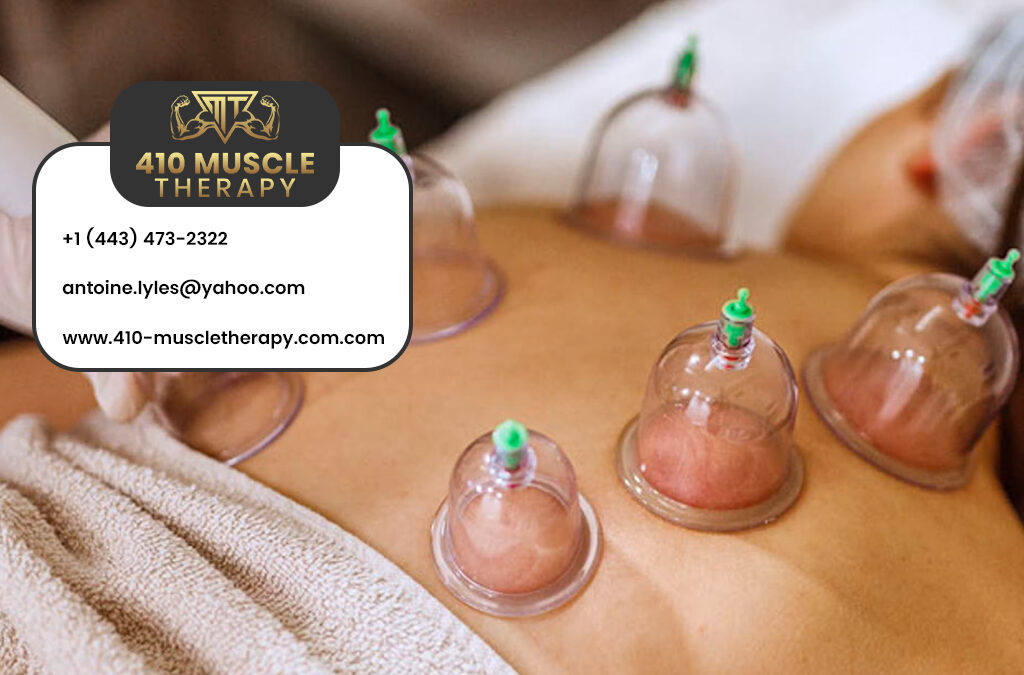
Those round marks may look unusual, but they tell only part of the story. The types of cupping therapy in Maryland differ in how the cups create suction, move across the skin, and stay in place.
Some methods keep the skin fully intact, while others use a different process. Each method may also feel different during a session. 410 Muscle Therapy helps clients understand these choices before treatment. In this guide, you will learn about the main cupping methods, how they differ, and what you may expect during a session.
Quick Answer: What Are the Main Types of Cupping?
The main different types of cupping are dry cupping, moving cupping, flash cupping, fire cupping, and wet cupping. The key differences are whether the skin stays intact, whether the cup stays still or moves, and how suction gets created.
Dry cupping keeps the skin intact. Wet cupping pierces the skin and draws a small amount of blood into the cup. Fire cupping describes a suction method, not a separate skin type by itself.
Fire Cupping Is a Suction Method
Fire creates suction inside a glass cup. The skin can still stay intact, so fire cupping may be dry cupping.
How Cupping Therapy Creates Suction
Cupping uses suction, also called negative pressure. The provider places a cup on the skin and removes some air. That lower pressure pulls the skin upward into the cup.
Suction may come from a manual pump, flexible silicone, heat, or an electric device. The method matters because it changes how the session feels and how the cup is used.
The Three Questions That Define a Cupping Method
- The first question is simple. Does the skin stay intact, or does the provider pierce it? That sets dry cupping apart from wet cupping.
- The second question is about movement. Does the cup stay still, or does the provider move it across the skin? That separates static cupping from moving cupping.
- The third question is about suction. Does the provider use heat, a pump, silicone, or another device? That helps explain fire cupping, pump cupping, and silicone cupping.
Dry Cupping Therapy
Dry cupping therapy keeps the skin intact. The provider places one or more cups on the treatment area and uses suction to lift the skin.
Clients may feel pulling, pressure, mild warmth, or tightness. The cups may stay still for a short time. Dry cupping is not the same as wet cupping.
Static Cupping
Static cupping means the cups stay still on selected areas. A provider may choose this style when they want focused contact in one spot.
This method can feel more intense than moving cupping for some people. The cups remain in place instead of sliding across the skin.
Moving Cupping
Moving cupping uses suction and movement together. The provider applies massage oil or another glide aid, then moves the cups across the skin.
This method is also called sliding cupping or massage cupping. The skin stays intact, but the cups do not remain in one place.
Flash Cupping
Flash cupping means the provider places and removes cups quickly. The cups may move from one spot to another in short repeats.
This style may feel lighter or faster than static cupping. The marks may still appear, depending on suction and skin response.
Fire Cupping Therapy
Fire cupping therapy often uses glass cups and brief heat to create suction. The flame changes the air pressure before the cup touches the skin.
The flame should not stay inside the cup on the body. Poor technique can cause burns. Fire cupping is not automatically better than pump or silicone cupping.
Pump Cupping
Pump cups use a manual device to remove air from the cup. The provider can control the suction without using a flame.
This method can give more control over suction strength. It may also suit some clients who want a non-flame option.
Silicone Cupping
Silicone cups are soft and flexible. The provider squeezes the cup before placing it on the skin.
Silicone cups are often used for moving cupping because they slide more easily. They can still leave marks, and the marks do not prove better results.
Wet Cupping Therapy
Wet cupping therapy is more invasive than dry cupping. The provider breaks or pierces the skin so a small amount of blood enters the cup.
That creates more blood exposure and infection-control concerns. Wet cupping should only be done where it is lawful and by a properly qualified professional using appropriate safety procedures.
Short Cupping Type Cards
Dry Cupping
The skin stays intact, and suction lifts the skin into the cup.
Static Cupping
The cups stay still on one area for a set time.
Moving Cupping
The cups slide across lubricated skin while suction stays active.
Flash Cupping
The provider places and removes cups quickly across the area.
Fire Cupping
Heat creates suction inside a glass cup before placement.
Wet Cupping
The skin is pierced, and blood enters the cup.
How Providers Choose a Method
The right method depends on the client, the treatment area, the health history, and provider training. The provider may also consider skin condition, comfort level, and the type of cup available.
A provider should not guess. They should choose the method that fits the session goal and the client’s needs.
What a Session Feels Like
Many clients feel pulling, pressure, skin tightness, or mild warmth. Moving cupping may also add a dragging or sliding feeling.
Treatment should not cause strong burning or severe pain. If the pressure feels too strong, the client should speak up right away.
Cupping Marks
Suction can create temporary round marks, redness, or skin discoloration. The marks may look like bruises.
Their color can vary based on suction strength, treatment time, skin response, cup placement, and personal sensitivity. Darker marks do not mean more toxins. They also do not prove the session worked better.
Possible Uses and Evidence Limits
Some clients use cupping for muscle tightness, temporary soreness, relaxation, or recovery routines. Research has studied cupping for several pain-related uses.
But the evidence remains limited and often low quality. The National Center for Complementary and Integrative Health says the research does not support broad health claims for cupping.pubmed.
Safety and Side Effects
Cupping might lead to bruising, skin irritation, skin reddening, skin discoloration, scarring, burning, or even infections. Wet cupping increases the risks of infections since it requires breaking the skin.
Others may experience dizziness. Cupping can affect individuals differently, and it can have some adverse effects.
Who Should Seek Medical Advice
People should speak with a healthcare professional first if they take blood thinners, have a bleeding disorder, have anemia, have an open wound, have a skin condition, are pregnant, recently had surgery, or have unexplained pain.
That advice can also help people with reduced skin feeling or a serious health condition. The right choice depends on the person and the method.
Cupping and Massage Therapy
Cupping and massage use different methods. Massage uses hands-on pressure and movement. Cupping uses suction.
Some clients use both in one wellness visit. People comparing massage therapy in Timonium Maryland should ask how each service works and what the session includes.
People exploring cupping therapy Maryland services should ask which method the provider uses and what training supports that service.
Maryland Provider and Service Notes
410 Muscle Therapy should only describe the cupping methods it currently offers. If the business offers dry or moving cupping only, that should stay clear.
If the business does not offer wet or fire cupping, those methods should remain in this article for education only. Maryland readers should always ask about license status, scope, and exact service options.
Common Myths
- Dark marks do not prove toxin removal. Mark color only shows how the skin responded to suction.
- Fire cupping does not mean the skin should burn. Fire creates suction, but it should not injure the client.
- Wet cupping is not always better. It is more invasive and needs stronger infection control.
Choosing a Cupping Provider
A good provider should explain the method, review health history, use clean equipment, follow infection-control rules, set realistic expectations, ask about skin conditions, check comfort, avoid cure claims, answer safety questions, and explain prices before treatment.
That conversation should feel clear and simple. It should never feel rushed or confusing.
Conclusion
The main cupping methods differ by skin contact, cup movement, and suction method. Dry cupping keeps the skin intact. Moving cupping slides the cups. Flash cupping uses quick placement. Fire cupping uses heat to create suction. Wet cupping breaks the skin and needs stronger safety care.
The right method depends on the client, the provider’s training, and the treatment goal. 410 Muscle Therapy can help clients understand the options and ask better questions before a session.
Explore Cupping With Clear Guidance
410 Muscle Therapy can explain the cupping methods it currently offers, what clients may feel, and what to ask before treatment. You can also check out our Google Business Profile for more details and information related to our services and location.
Key Takeaways
- Cupping methods differ by skin contact, cup movement, and suction method.
- Fire cupping creates suction, while wet cupping breaks the skin.
- Provider training, hygiene, comfort, and health history all matter.
Frequently Asked Questions
What Are the Main Types of Cupping Therapy?
The main types are dry cupping, moving cupping, flash cupping, fire cupping, and wet cupping. They differ by skin contact, movement, and suction method.
What Is the Difference Between Dry and Wet Cupping?
Dry cupping keeps the skin intact. Wet cupping breaks the skin and draws a small amount of blood into the cup.
Is Fire Cupping the Same as Dry Cupping?
Fire cupping is a way to create suction. It may still count as dry cupping if the skin stays intact.
Which Type of Cupping Leaves the Most Marks?
Mark color varies by person, suction, time, and cup placement. Darker marks do not prove better results.
Is Cupping Therapy Safe for Everyone?
No. People with bleeding concerns, skin problems, pregnancy, or certain medicines should ask a healthcare professional first. Safety depends on the person and the method.