Many people today experience muscle tightness, stiffness, and discomfort caused by long hours of sitting, physical activity, or daily stress. When these issues appear, people often look for professional bodywork solutions to help restore comfort and improve movement.
Two popular options are stretch therapy and massage therapy. While both treatments support muscle recovery and relaxation, they work in different ways and serve different purposes.
Some people benefit more from stretching-focused treatments, while others may find massage therapy more effective for relieving tension. Understanding the differences between these therapies can help you choose the right option for your body.
At 410 Muscle Therapy, both stretch therapy and massage therapy are used to help clients improve mobility, reduce pain, and enhance overall physical wellness.
Let’s explore how each therapy works and which one may be right for you.
Understanding Stretch Therapy
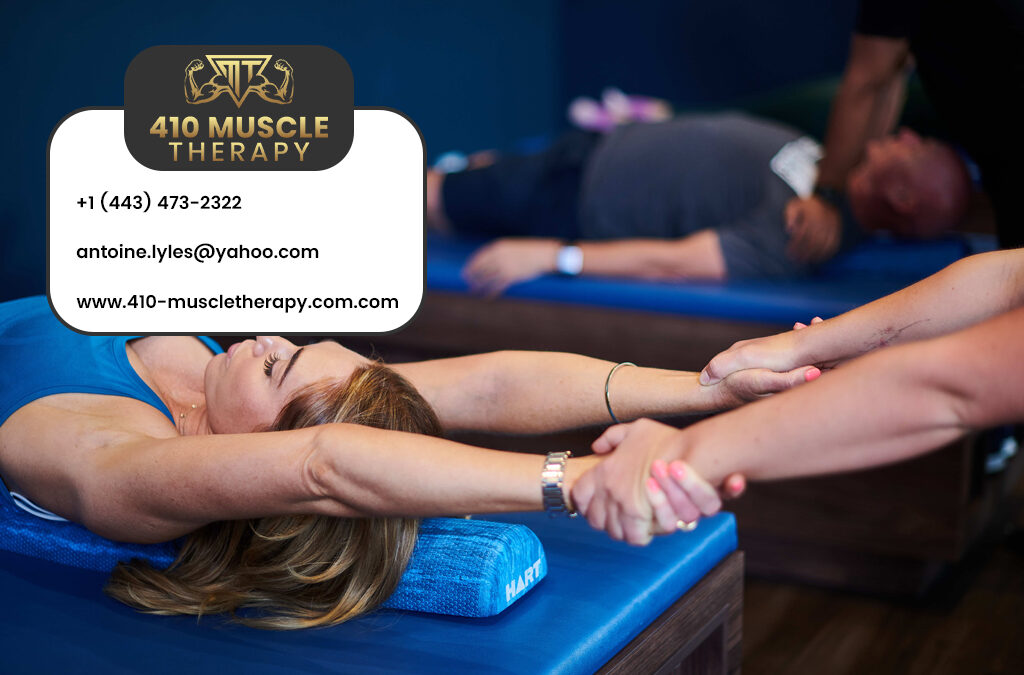
Stretch therapy is a guided form of assisted stretching designed to improve flexibility, mobility, and joint movement. During a session, a trained therapist helps move your muscles through controlled stretching positions.
Unlike self-stretching, assisted stretch therapy allows muscles to extend more safely and effectively because the therapist controls the movement.
Professional stretch sessions such as Maryland Stretch Therapy focus on improving how the body moves by targeting tight muscles and restricted joints.
Benefits of Stretch Therapy
Stretch therapy offers several physical benefits including:
- Increased flexibility
- Improved posture
- Better joint mobility
- Reduced risk of injury
- Improved athletic performance
- Greater muscle balance
Stretching helps lengthen muscle fibers, which can relieve tightness caused by inactivity or repetitive movements.
Understanding Massage Therapy
Massage therapy focuses on manipulating soft tissues to relieve muscle tension and improve circulation. Therapists use various techniques such as kneading, pressure, and gliding movements to release tight muscles.
Massage therapy works directly on muscle tissue to help reduce discomfort and improve blood flow.
Some common massage treatments offered at 410 Muscle Therapy include:
Each technique addresses muscle tension in slightly different ways.
Key Differences Between Stretch Therapy and Massage Therapy
Although both therapies help improve physical wellness, they work differently.
Stretch Therapy Focus
- Improves flexibility and mobility
- Lengthens muscles
- Enhances movement patterns
- Supports injury prevention
Massage Therapy Focus
- Relieves muscle tension
- Improves circulation
- Reduces stress
- Breaks down muscle knots
Stretch therapy is movement-focused, while massage therapy focuses more on tissue manipulation.
When Stretch Therapy May Be the Right Choice
Stretch therapy may be more beneficial if your main concern involves mobility or flexibility.
People who may benefit most from stretch therapy include:
- Individuals with stiff joints
- Athletes looking to improve performance
- People with limited flexibility
- Those recovering from restricted movement patterns
Stretching also helps correct posture problems caused by long hours of sitting.
Sometimes stretch therapy is combined with posture correction programs like Corrective Movement Maryland to improve how the body moves over time.
When Massage Therapy May Be the Better Option
Massage therapy is often the preferred choice when muscle tension or pain is the main concern.
People who may benefit most from massage therapy include:
- Individuals with muscle knots
- People experiencing back or neck pain
- Those dealing with stress-related tension
- Athletes recovering from muscle strain
Massage helps relax muscle fibers and reduce discomfort quickly.
Athletes often combine massage therapy with sessions from a Maryland Sports Massage Therapist to speed up recovery and maintain muscle performance.
Stretch Therapy for Mobility and Injury Prevention
Flexibility plays a major role in preventing injuries. When muscles are tight, they limit movement and increase strain on joints.
Stretch therapy helps by:
- Increasing range of motion
- Improving muscle elasticity
- Balancing muscle groups
- Supporting proper posture
Regular stretching can help prevent injuries caused by restricted movement.
Massage Therapy for Muscle Recovery
Massage therapy helps the body recover from muscle fatigue and physical stress.
The therapy supports recovery by:
- Increasing circulation
- Reducing inflammation
- Relaxing tight muscle fibers
- Improving tissue oxygenation
For individuals experiencing stubborn muscle tightness, therapies like Myofascial Release Maryland may also help release connective tissue restrictions.
Stress Relief Benefits of Massage Therapy
Massage therapy is widely known for its stress-relieving effects.
It can help:
- Lower cortisol levels
- Promote relaxation
- Improve sleep
- Reduce anxiety
Warm therapy treatments such as Hot Towel Massage Maryland often enhance the calming effects of massage sessions.
Circulation Benefits from Both Therapies
Both stretch therapy and massage therapy support healthy circulation.
Massage therapy increases blood flow by physically stimulating muscles.
Stretch therapy improves circulation by lengthening tissues and reducing compression around blood vessels.
Some clients also combine therapy sessions with Infrared Therapy in Maryland to support muscle recovery and circulation.
Can You Combine Stretch Therapy and Massage Therapy?
Yes. In many cases, combining both therapies provides the best results.
Massage therapy helps relax tight muscles, while stretch therapy helps improve flexibility and movement.
This combination can be particularly helpful for people experiencing both muscle tension and mobility limitations.
Additional therapies such as Cupping Therapy Maryland may also support circulation and muscle recovery.
Which Therapy Is Better for Athletes?
Athletes often benefit from using both treatments.
Stretch therapy improves movement efficiency and flexibility, which can enhance athletic performance.
Massage therapy helps muscles recover after training and reduces soreness.
Sports professionals often alternate between mobility sessions and muscle recovery treatments to maintain optimal performance.
What to Expect During Stretch Therapy
A typical stretch therapy session may include:
- Posture and mobility evaluation
- Assisted stretching positions
- Controlled muscle lengthening
- Breathing techniques to relax muscles
- Gradual mobility improvements
The therapist guides movements to ensure safe and effective stretching.
What to Expect During Massage Therapy
Massage sessions typically involve:
- Muscle tension assessment
- Targeted massage techniques
- Pressure adjustments based on comfort
- Relaxation-focused movements
The therapist focuses on areas where tension or discomfort is present.
Choosing the Right Therapy for Your Body
The best therapy depends on your specific needs.
Choose Stretch Therapy If You Want
- Better flexibility
- Improved posture
- Increased mobility
- Injury prevention
Choose Massage Therapy If You Need
- Muscle pain relief
- Stress reduction
- Recovery from physical strain
- Deep muscle relaxation
Some clients alternate between both therapies to maintain long-term physical wellness.
Why Clients Choose 410 Muscle Therapy
At 410 Muscle Therapy, treatments are tailored to each client’s goals and physical condition.
Therapists assess muscle tension, flexibility, and movement patterns before recommending the most appropriate therapy.
Clients appreciate the clinic’s focus on:
- Personalized care
- Professional techniques
- Comfortable treatment sessions
- Long-term wellness support
The goal is not just temporary relief but improved physical function and mobility.
Final Thoughts
Stretch therapy and massage therapy both offer valuable benefits for improving physical health and comfort.
Stretch therapy focuses on improving flexibility and movement, while massage therapy targets muscle tension and stress relief.
Understanding the differences between these therapies can help you choose the option that best supports your body’s needs.
In many cases, combining both treatments can provide the most balanced results for recovery, mobility, and relaxation.
If you’re unsure which therapy is right for you, a professional consultation at 410 Muscle Therapy can help determine the best approach for your body.
Timonium, Maryland