In This Guide, You Will Learn
- What myofascial release therapy is
- How myofascial release works
- The potential benefits of myofascial release
- How it may relate to pain and muscle tension
- What a session may feel like
- Who may consider this type of therapy
- How to choose a qualified therapist
If you are exploring myofascial release therapy benefits, you likely want relief from tight muscles, better movement, or a gentler approach to bodywork. This therapy focuses on the body’s fascia, the thin web of tissue that wraps around muscles and organs.
At 410 Muscle Therapy, people can learn more about different massage and bodywork options and choose what fits their goals. This guide explains what myofascial release is, how it may help, and what to expect during a session.
Quick Answer
The therapy of myofascial release involves the application of slow and sustained pressure to loosen the tense areas of fascia and muscles. This kind of treatment can be considered by anyone due to issues such as muscle tension or reduced mobility. It cannot be treated as a cure, though.
What Is Myofascial Release Therapy?
Myofascial release is a form of therapy which involves working on the fascia as well as the soft tissue of the body. Fascia is defined as a stretchy and flexible tissue layer surrounding the muscles, organs, and bones of the body.
Fascia may at times be tight and restricted, affecting both comfort and movement. Myofascial release is a method of slowly working on the restricted areas, applying gentle pressure to loosen them up. This method is not like the usual relaxation massage since it targets specific areas only.
How Does Myofascial Release Work?
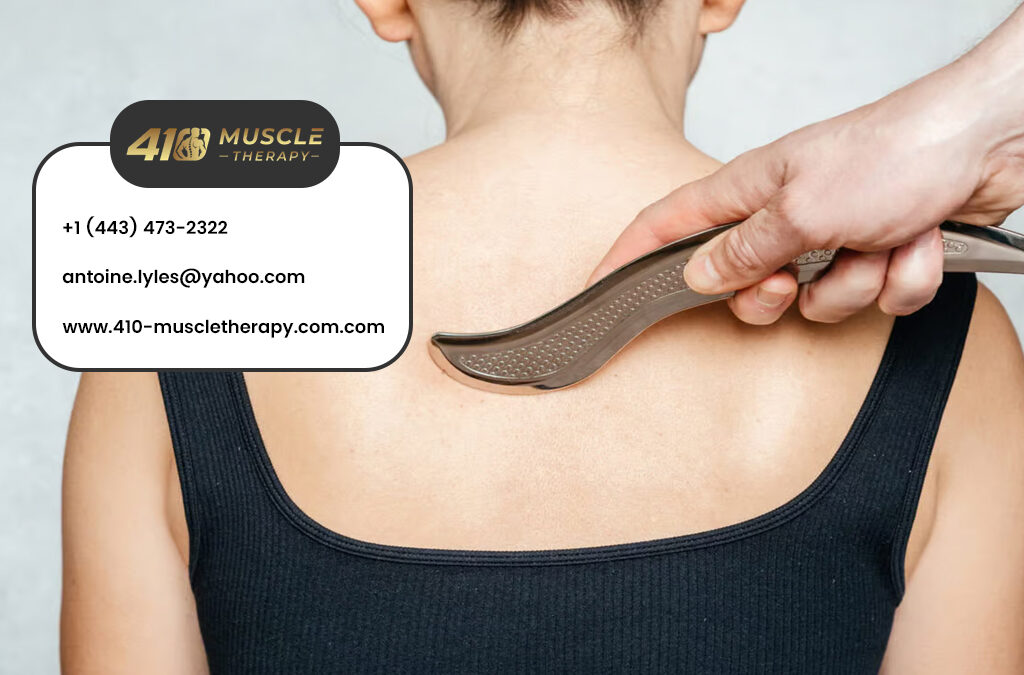
The slow pace of movement along with sustained pressure is applied to the areas of discomfort. Therapist may apply pressure using his hands or forearms and even the special devices. The pressure is sustained for a prolonged period of 90 seconds and more.
It is important to communicate. The professional massage therapist will always ask you how you feel and will change the pressure if necessary. It is vital to make the tissue yield but not to hurt it.
Benefits of Myofascial Release
Research and client reports suggest several potential benefits of myofascial release. Experiences vary, and results are not guaranteed.
Benefits at a Glance
- Relaxes tight muscle tension
- Helps you become more comfortable and flexible
- Promotes deep relaxation
- Promotes body awareness
- Aids recovery in your well-being plan
These effects are often described as mild to moderate. Some people notice changes right away; others feel shifts over several sessions.
Myofascial Release for Pain Relief
Many individuals try to relieve their pain by using myofascial release due to experiencing muscle stiffness or tension or movement-induced pain. Myofascial release may help as it may release tense muscles that cause tension on nearby muscles.
If one uses the technique as a preventive method, it is important to remember that one should consult a physician if there is intense pain.
Myofascial Release Massage Benefits
When people ask about myofascial release massage benefits, they often want to know how it feels compared to a standard massage. A myofascial session tends to be slower and more focused. The therapist spends more time on specific areas rather than moving quickly over the whole body.
You may notice:
- Focused attention on tight zones
- Slower, sustained pressure
- More communication about comfort
- A sense of release as tension eases
- Relaxation and improved body awareness
Pressure can be adjusted. If something feels too intense, tell your therapist.
Myofascial Release vs Regular Massage
Myofascial Release
Focuses on working with soft tissue and fascia using specific pressure and movement techniques. The pace is slower, and the therapist holds pressure longer on targeted areas.
General Massage
Can emphasize general relaxation, muscle relief, blood flow, or total well-being based on the technique used. The tempo can be quicker, involving more gliding strokes over bigger surface areas.
There is no better way of doing it. It all depends on what you want to achieve.
What Does a Myofascial Release Session Feel Like?
Every session is a bit different, but here is a common flow:
- Consultation: You discuss areas of concern, goals, and any health notes.
- Positioning: You lie on a massage table, often with light clothing or draping for comfort.
- Pressure: The therapist applies slow, steady pressure to tight areas.
- Communication: You share feedback about pressure and comfort.
- Adjustments: Pressure is changed as needed to stay within your comfort zone.
- After the session: Some people feel looser and more relaxed. Others feel mild soreness, similar to after light exercise.
Good to Know: The amount of pressure used during myofascial release can vary. Always tell your therapist if the pressure feels uncomfortable.
Who May Consider Myofascial Release?
People may consider this therapy if they are interested in:
- General muscle comfort
- Flexibility and easier movement
- Relaxation and stress relief
- Managing feelings of tightness
- Body awareness and posture support
- Complementary wellness care alongside other treatments
It is not appropriate for everyone. Your therapist can help you decide if it fits your needs.
When Should You Speak With a Healthcare Professional First?
Talk to a qualified healthcare professional before massage therapy if you have:
- Severe or unexplained pain
- A recent serious injury
- Significant swelling
- Fever or signs of infection
- A condition for which massage may not be appropriate
- Symptoms that are getting worse
This step helps ensure your safety and the right care plan.
How to Choose a Myofascial Release Therapist
Look for a therapist with:
- Proper training and qualifications in myofascial techniques
- Relevant experience with your type of concern
- Clear communication and a comfortable style
- A clean, professional environment
- Willingness to explain the service and answer questions
- Positive reviews and local reputation
If you live in Maryland, you may search for myofascial release therapy Maryland for nearby massage services.
Local Brand Section: 410 Muscle Therapy
If you are exploring Massage therapy in Timonium Maryland, 410 Muscle Therapy offers massage and bodywork services, including myofascial release. The team can help you understand different techniques and choose a session that matches your goals. As with any provider, review qualifications, ask questions, and confirm that the approach feels right for you.
Checking a provider’s Google My Business profile can help you compare services, read feedback, and verify contact details.
Myofascial Release May Be Worth Exploring If…
- You want a slower, focused approach to muscle tension
- You prefer steady pressure over fast strokes
- You are looking for support with mobility and comfort
- You want to add bodywork to a broader wellness routine
Conclusion
The advantages of myofascial release include decreased stiffness, increased comfort, and improved mobility in some individuals. The sessions are relaxed and concentrated, as well as personalized in terms of pressure used. Experiences are different, and the choice of the correct method is personal.
In case you think about taking up this treatment, consult with an experienced therapist who will discuss your health background with you. Some examples of professionals providing the service are 410 Muscle Therapy.
Key Takeaways
- Myofascial release therapy works with fascia and soft tissues using slow, sustained pressure.
- Potential benefits include reduced tightness, improved comfort, and better movement.
- Sessions are focused and communicative, with pressure adjusted to your comfort.
- Experiences vary; some feel immediate relief, others notice changes over time.
- Choosing a qualified therapist and sharing health notes matters for safety.
- Speak with a healthcare professional for severe, persistent, or unexplained symptoms.
FAQs
1. What are the possible advantages of myofascial release?
They may include decreased muscle tightness, increased comfort and mobility, relaxation, and increased body awareness. It all depends on individual case.
2. Can myofascial release be applied to relieve the pain?
It can be used to treat the pain caused by muscle tightness for some patients. It is not a treatment method, and any lasting pain requires medical examination.
3. What sensations should you expect from myofascial release sessions?
Slow and constant pressure will be used during sessions, and you may experience the feeling of relaxation, release, and even slight pain after the session.
4. How often should you get myofascial release therapy?
Frequency depends on your goals and response. Some people start with weekly sessions, then space them out. Your therapist can suggest a plan based on your needs.
5. Is myofascial release suitable for everyone?
Not always. People with certain health conditions, recent injuries, or severe symptoms should speak with a healthcare professional before starting therapy.