Muscle fatigue and joint stiffness are common problems for many people today. Whether caused by intense workouts, long hours of sitting, physical labor, or everyday stress, tight muscles and stiff joints can limit movement and reduce overall comfort.
Many individuals search for natural therapies that support recovery while improving flexibility and circulation. One treatment gaining attention for these benefits is infrared therapy.
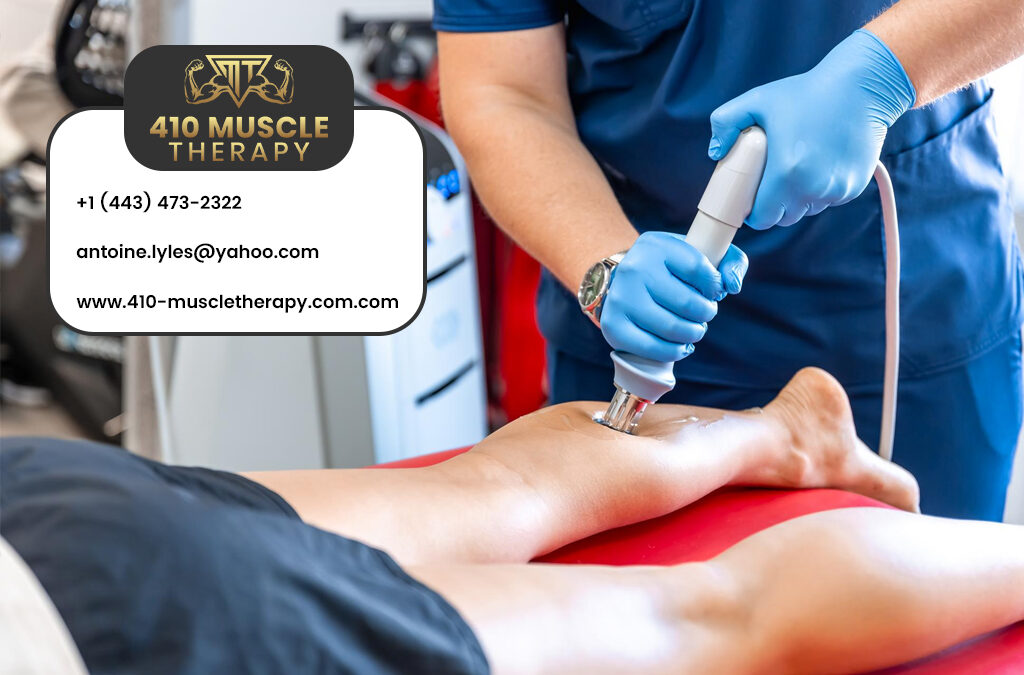
Infrared therapy uses specialized heat technology to penetrate deep into muscle tissue and joints. This gentle heat promotes circulation, relaxes muscles, and helps reduce stiffness throughout the body.
At 410 Muscle Therapy, infrared therapy is often used alongside therapeutic bodywork to support recovery, relieve tension, and improve mobility.
Understanding how infrared therapy works can help you decide whether it is the right solution for your muscle recovery and joint health.
What Is Infrared Therapy?
Infrared therapy is a form of heat treatment that uses infrared light waves to warm the body from within. Unlike traditional heat therapy that warms the skin surface, infrared energy penetrates deeper into muscles and connective tissue.
This deeper penetration allows infrared therapy to provide several benefits, including:
- Improved blood circulation
- Reduced muscle stiffness
- Faster recovery after physical activity
- Increased flexibility
- Relaxation of tight muscle tissue
Professional sessions such as Infrared Therapy in Maryland are designed to deliver controlled heat that supports both recovery and relaxation.
Why Muscle Recovery Is Important
Muscles experience small tears during physical activity. These micro-tears are a normal part of the body’s adaptation process. However, without proper recovery, these tissues may remain tight and inflamed.
Common symptoms of poor recovery include:
- Persistent soreness
- Reduced flexibility
- Muscle fatigue
- Limited movement
- Joint stiffness
Infrared therapy helps accelerate recovery by improving blood flow and oxygen delivery to the muscles.
Athletes and active individuals often combine recovery therapies with professional sessions from a Maryland Sports Massage Therapist to support muscle repair.
How Infrared Therapy Helps Muscle Recovery
Infrared therapy supports muscle recovery through several physiological processes.
Improved Circulation
Infrared heat causes blood vessels to expand, allowing oxygen and nutrients to reach damaged tissues more efficiently.
Reduced Muscle Tension
Warm muscles relax more easily, reducing stiffness and discomfort.
Faster Removal of Waste Products
Improved circulation helps remove metabolic waste such as lactic acid that builds up after exercise.
Many individuals combine infrared therapy with treatments like Deep Tissue Massage Maryland to release stubborn muscle tension.
Reducing Joint Stiffness with Infrared Therapy
Joint stiffness often occurs when surrounding muscles and connective tissues become tight.
Infrared heat helps relieve stiffness by:
- Relaxing surrounding muscle fibers
- Improving joint lubrication
- Increasing flexibility in connective tissue
- Supporting mobility and range of motion
For individuals dealing with long-term tension patterns, therapies such as Myofascial Release Maryland may further improve joint mobility.
Benefits of Infrared Therapy for Active Individuals
Athletes and physically active individuals frequently use infrared therapy to maintain muscle health.
Benefits include:
- Faster recovery between workouts
- Reduced muscle soreness
- Increased flexibility
- Improved circulation
- Better muscle performance
Athletes who focus on flexibility and mobility often combine recovery sessions with Maryland Stretch Therapy to maintain optimal movement patterns.
Infrared Therapy and Pain Relief
Infrared heat can help reduce discomfort by relaxing tight muscles and reducing pressure around joints.
This makes the therapy helpful for individuals experiencing:
- Muscle soreness
- Back tension
- Neck stiffness
- Joint discomfort
- Post-workout fatigue
Some clients also combine infrared sessions with pressure-based therapies such as Acupressure Maryland to target specific tension points.
Supporting Connective Tissue Health
Connective tissue, including fascia, surrounds muscles and joints. When fascia becomes tight or restricted, it can create discomfort and limit mobility.
Infrared therapy helps soften connective tissue, allowing it to move more freely.
In some cases, treatments like Cupping Therapy Maryland may also help release tight fascia and improve circulation.
Infrared Therapy vs Traditional Heat Therapy
Traditional heating pads warm only the skin surface. Infrared therapy works differently.
Traditional Heat
- Surface-level warmth
- Limited tissue penetration
Infrared Heat
- Deeper muscle penetration
- Improved circulation
- Greater muscle relaxation
Because infrared therapy penetrates deeper, it often provides more effective muscle recovery benefits.
Combining Infrared Therapy with Massage
Many people experience the best results when infrared therapy is combined with massage treatments.
Massage therapy helps release tight muscle fibers while infrared heat prepares the tissue for deeper relaxation.
For example, combining infrared therapy with Hot Stone Massage Maryland can create a deeply relaxing recovery experience.
Some individuals also enjoy heat-based relaxation treatments such as Hot Towel Massage Maryland.
Improving Movement and Posture
Poor posture can lead to muscle imbalances and chronic stiffness.
Infrared therapy helps relax tight areas so the body can move more freely.
In some cases, posture correction programs like Corrective Movement Maryland may be recommended alongside recovery therapies.
Improving movement patterns helps prevent long-term muscle strain.
Who Can Benefit from Infrared Therapy?
Infrared therapy can help many individuals including:
- Athletes recovering from training
- Office workers with muscle tension
- Individuals experiencing joint stiffness
- People with physically demanding jobs
- Anyone dealing with chronic muscle tightness
The therapy is gentle and suitable for people who prefer non-invasive recovery treatments.
What to Expect During an Infrared Therapy Session
A typical session at 410 Muscle Therapy may include:
Consultation
Your therapist discusses muscle tension, recovery goals, and areas of discomfort.
Heat Application
Infrared technology is used to deliver controlled warmth to targeted muscle areas.
Relaxation Phase
The body gradually relaxes as circulation increases and muscles loosen.
Some sessions may also include complementary therapies to enhance recovery.
How Often Should You Use Infrared Therapy?
The ideal frequency depends on your lifestyle and recovery needs.
Athletes
Weekly sessions may support consistent recovery.
Active Individuals
Biweekly sessions can help maintain muscle health.
Maintenance
Monthly sessions may help reduce long-term stiffness.
Consistency helps maintain circulation and muscle flexibility.
Why Clients Choose 410 Muscle Therapy
At 410 Muscle Therapy, recovery treatments are customized for each client’s needs.
Therapists evaluate muscle tension, flexibility, and recovery goals before recommending a therapy plan.
Clients choose the clinic because of its focus on:
- Professional therapy techniques
- Personalized recovery sessions
- Comfortable treatment environments
- Long-term wellness support
The goal is to help clients move better, recover faster, and maintain healthy muscles and joints.
Final Thoughts
Infrared therapy offers a powerful yet gentle solution for improving muscle recovery and reducing joint stiffness. By penetrating deep into muscle tissue, infrared heat improves circulation, relaxes tight muscles, and supports overall mobility.
For athletes, active individuals, and people experiencing everyday muscle tension, infrared therapy can be an effective addition to a recovery routine.
When combined with other professional therapies offered at 410 Muscle Therapy, infrared treatments can help restore comfort, flexibility, and balance to the body.
Timonium, Maryland