Massage Therapy vs Chiropractic Care: Which Helps More?
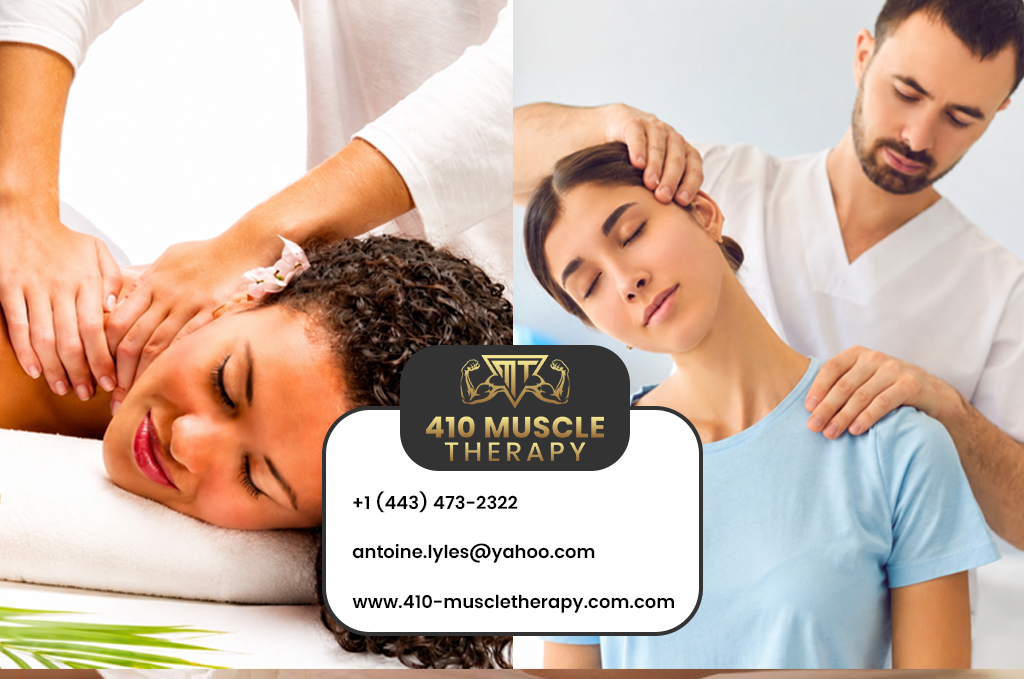
Comparing massage therapy with chiropractic care is comparing football with rugby. There are similarities but the gameplay is different. Similarly, both can help your body feel better but they focus on different problems and areas of pain.
Massage therapy works more on muscles, fascia, knots, soreness, stress, and soft tissue tension. Chiropractic care focuses more on the spine, joints, alignment, and movement. So if your pain feels tight, heavy, or stress-related, massage may help more. If the issue feels joint-based or linked to spinal movement, chiropractic care may be worth discussing with a licensed chiropractor.
In this guide, 410 Muscle Therapy explains massage vs chiropractic care, when each option may help, and how to choose the right back pain treatment or muscle tension care without guessing.
Chiropractor vs Massage: Quick Comparison Table
This simple table can help you understand the difference before choosing care.
Need or Problem
Massage Therapy May Help More With
Chiropractic Care May Help More With
Muscle tightness
Deep tension, knots, soreness
May help if joint movement also affects muscles
Back pain
Tight back muscles and stress tension
Spine or joint movement concerns
Neck stiffness
Tight neck, shoulders, upper back
Neck joint motion or alignment concerns
Headache tension
Tight scalp, neck, and shoulder muscles
Spine or posture-related concerns
Stress
Relaxation and nervous system calming
Less focused on stress relief
Limited movement
Muscle and fascia restriction
Joint mobility problems
Sports soreness
Recovery and muscle care
Joint motion after strain
Sciatica-like pain
Tight hips, glutes, low back support
Nerve or spine-related assessment
This table is only a guide. If pain is severe, sudden, spreading, or linked to injury, it is better to speak with a healthcare provider first.
When Massage Therapy May Help More
Massage therapy may help more when the pain feels like tightness, soreness, stiffness, or muscle fatigue. It can be useful when your body feels tense from sitting, standing, lifting, stress, workouts, or repeated movement.
Massage may be a better fit when you feel:
Tight shoulders
Sore lower back
Muscle knots
Neck tension
Stress-related stiffness
Leg tightness
Headache tension
Workout soreness
Limited movement from tight muscles
The goal is not only to relax. A focused session can work on the areas that feel overused, stuck, or tense. This is why many people choose massage for back pain treatment when the pain seems connected to soft tissue.
You can also review the benefits of massage therapy to see how massage may support pain relief and wellness.
When Chiropractic Care May Help More
Chiropractic care might help if your issue seems linked to joint movement, spinal stiffness, posture problems, or alignment issues. Chiropractors usually examine how your spine and joints move and might do adjustments or use other methods.
People consider chiropractic care when:
Their joints feel restricted,
Spine movement is blocked,
Pain gets worse or better with certain moves,
Posture seems uneven,
Stiffness feels like it's coming from the joints.
However, not every back problem calls for chiropractic care. Back pain can stem from muscles, joints, stress, posture, and daily habits combined. This is why some folks use both massage and chiropractic care at various times.
Back Pain Treatment: Which One Should You Try First?
Back pain treatment should depend on how the pain feels. If your back feels tight, sore, tense, or tired, massage therapy may be a good first step. If your pain feels sharp, nerve-like, or linked to joint movement, you may need a medical or chiropractic evaluation.
Massage may help when back pain comes from:
Tight lower back muscles
Long sitting hours
Heavy lifting
Stress tension
Hip and glute tightness
Muscle knots
Poor recovery after activity
For more focused back support, this guide on massage for lower back pain explains how massage may help tight and sore areas.
If back pain includes numbness, weakness, loss of control, fever, or severe injury pain, do not wait for massage. Get medical care quickly.
Muscle Tension Care: Why Massage Often Helps
People often turn to massage for relief from muscle tension. When muscles get tight, you feel heavy, stiff, and sore, tired too. Plus, tightness can affect nearby joints, making moving harder.
Massage therapists go straight for the troubled spots. Whether using pressure, slow strokes, stretching, or trigger point and myofascial release techniques, they aim to help the tissues relax.
Muscle tension care may be useful for:
Desk workers with tight necks and shoulders
Long-distance drivers with stiff backs
Active athletes needing muscle recovery
Busy parents carrying children daily
Standing jobs that strain legs and feet
Stress tension held in the body
Repeated movements that overwork muscles
If deep tightness is the main issue, deep tissue massage may be a good option. For deeper tissue restriction, myofascial release may also help.
Deep Tissue Massage vs Chiropractic Care
Deep tissue massage targets tight muscles and knots with slow, firm pressure, although it's not overly painful. And this is actually key: chiro care, on the other hand, focuses on the spine and joint movement. So, it may be better if your problem feels more joint-related or related to incorrect movement of your spine.
If you are unsure about deep pressure, read this guide on when deep tissue massage is best or compare deep tissue vs relaxation massage.
Myofascial Release and Chiropractic Care
Myofascial release works on the fascia, which is the tissue around your muscles. The reality is, when the fascia becomes tight, your body can even feel stiff or stuck. This therapy can help when the pain spreads to entire areas such as the hips or back. Chiropractic care focuses more on the movement of the joints and spine (at least in most cases), so the right choice depends on the cause of the problem.
You can compare myofascial release vs deep tissue to understand how soft tissue therapies differ.
Can You Use Massage and Chiropractic Care Together?
Yes, many people use both. Plain and simple, massage can relax tense muscles before or after chiropractic treatment. Chiropractic care can address joint mobility while massage supports soft tissue comfort.
For example, if your back feels stiff due to tight muscles and stressed joints, one type of treatment may not provide the whole picture. And this is key: the right mix depends on your body and the advice of your provider.
Just make sure both service providers know what service you're receiving. And this is key: clear communication helps keep your plans safer and more useful.
How to Choose the Right Massage Therapist
The right therapist should listen before starting. They should ask about your pain, pressure preference, health history, and goals. A good massage should feel personal, not like the same routine for every client.
Look for:
Clear communication
Safe pressure
Clean space
Experience with pain relief
Respect for comfort
Simple aftercare advice
A plan that fits your body
If you are choosing a therapist, this guide on how to find the best massage therapist may help.
You can also explore all nearby local services to compare therapy options.
Conclusion
When deciding between massage and chiropractic care, it's really about what fits your specific issue, not which one is better overall. Massage works great for soft tissue pain, stress, muscle knots, and general soreness. Chiropractic care, on the other hand, helps when your problem is mainly about joint movement or spinal alignment.
For a lot of folks, combining both types of treatment at different times might be the best approach. Knowing your symptoms well is key, don't guess, but instead pick what your body needs.
If your pain feels like it's in the muscles or is stress-related, starting with massage could be perfect.