How Myofascial Release Therapy Works
Muscle tightness can make everyday movement feel harder. You may notice stiffness in your back, shoulders, neck, or legs. This is where myofascial release therapy Maryland residents may consider as part of their wellness routine.
This guide explains how myofascial release works, what a session may involve, and who may consider it. It also covers how to prepare and what to expect from treatment from some of the top massage services providing brands like 410 Muscle Therapy in Maryland and nearby. So, do not miss this out.
Quick Answer: How Does Myofascial Release Work?
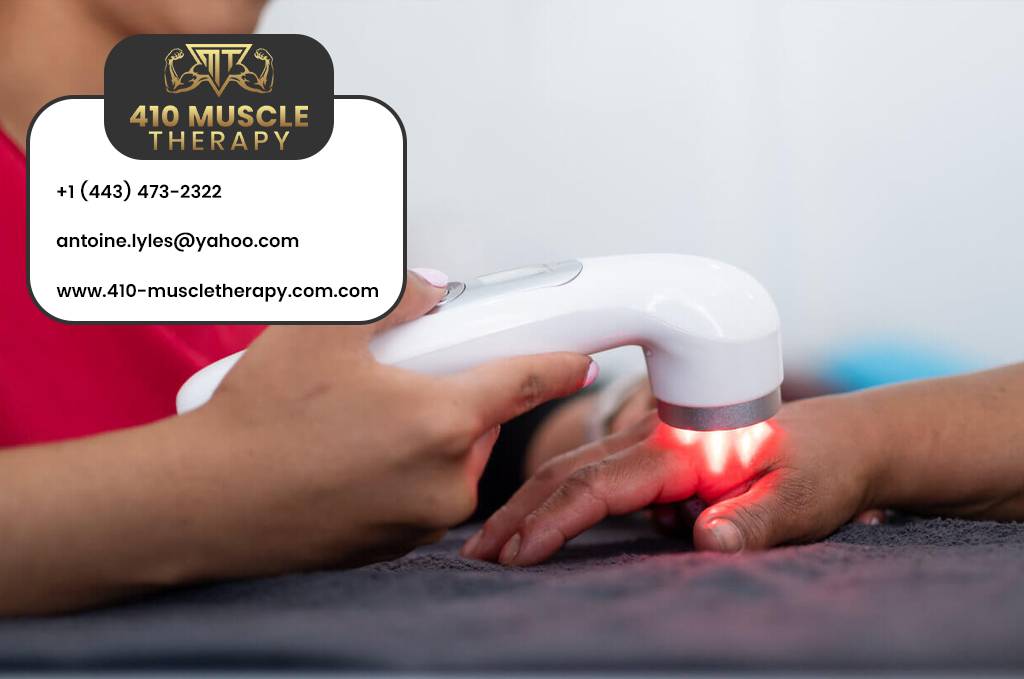
This is an intervention that involves the application of gentle and sustained pressure to help the fascia become less tense and more mobile. A therapist will use his or her hands in manipulating areas of tension while making sure that you feel comfortable with the process.
What Is Myofascial Release Therapy?
The myofascial release therapy is a type of physical treatment that targets the fascia, which is a layer of connective tissue that surrounds the muscles, bones, nerves, and organs. Fascia is referred to as a web-like continuous structure according to Cleveland Clinic.
Fascia that is tense and restricted can have an effect on the movement and mobility. Myofascial release is a treatment method that attempts to reduce this tension through the application of gentle and prolonged pressure and stretching.
How Does Myofascial Release Work?
Myofascial release involves placing gentle pressure on areas of tension in the fascia in order to allow the tissue to loosen up and become less restrictive.
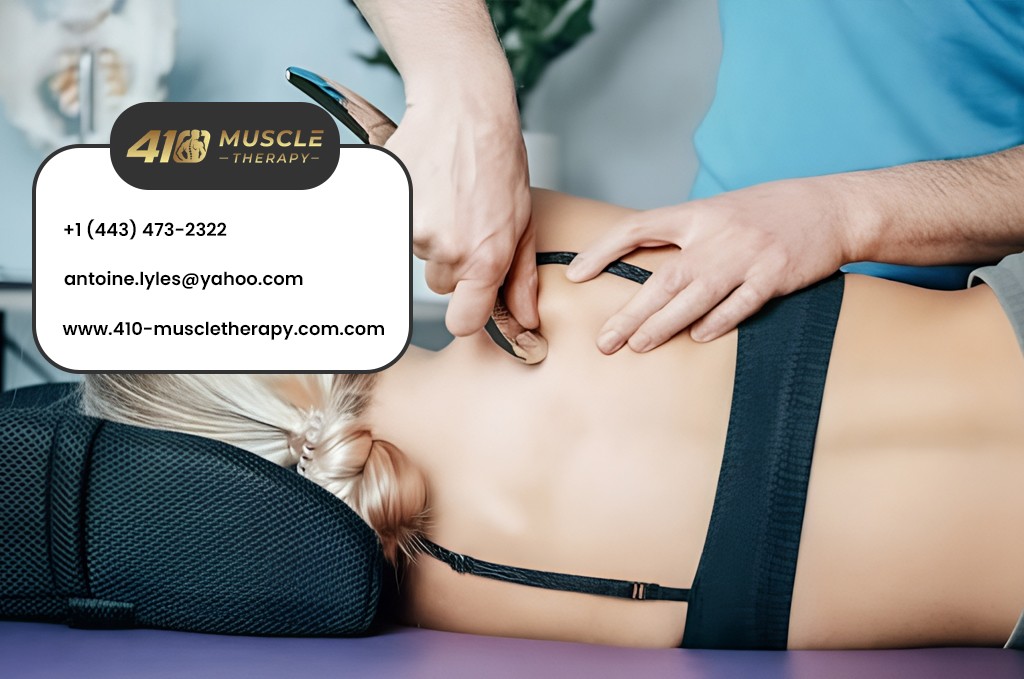
The practitioner uses his/her hands or even elbows to locate areas where there is tension in the tissue. Then he/she places a sustained pressure until the tissue becomes soft and pliable.
According to scientific literature review, myofascial release refers to manual techniques whose aim is to change the mechanical properties of the fascia tissue.
What Is the Myofascial Release Therapy Process?
The myofascial release therapy process usually begins with a brief discussion. The therapist asks about your comfort, movement limits, past injuries, and areas of concern.
Next, the therapist may:
● Assess your posture and movement
● Identify areas of tightness or restriction
● Position you on a table or chair
● Apply gentle, sustained pressure to targeted areas
● Recheck movement and comfort
● Discuss aftercare and next steps
The exact process can vary based on the therapist’s training and your needs.
What Happens During Myofascial Release Treatment?
There will always be pressure in certain parts during myofascial release massage. But the pressure must never be sharp or painful. So, communication is essential between sessions.
Some common places where myofascial release treatment occurs are the back, neck, shoulders, hips, and legs. Slow movements may be done by the therapist while moving from one spot to another to see how your body reacts.
It’s okay to tell your therapist that pressure is too much.
What Are the Potential Benefits?
Myofascial release may offer several potential benefits, though results vary by person. Some people report:
● Improved mobility and flexibility
● Reduced feelings of muscle tightness
● Greater relaxation
● Better body awareness
● Support for movement and daily activities
The Mayo Clinic notes that myofascial release is a form of manual therapy that may help reduce back pain and other myofascial discomfort.
This therapy should not be presented as a guaranteed treatment for a medical condition. Individual results can vary.
Who May Consider Myofascial Release Therapy?
Individuals suffering from muscle tightness, stiffness, or other discomfort can benefit from myofascial release therapy. The process may also interest people looking for an alternative method that is hands on and not too invasive.
It is also important to know that some medical problems might require one to get approval from their doctor before beginning the process of treatment.
Myofascial Release Therapy in Maryland
Residents seeking myofascial release therapy Maryland can find professional massage therapy services in several areas. Local providers may offer myofascial release as part of a broader wellness plan that includes mobility support and muscle relaxation.
Massage Therapy in Timonium Maryland
For those looking for Massage therapy in Timonium Maryland, options such as 410-Muscle Therapy provide hands-on treatments focused on comfort and movement. Reviewing services, location, and contact details can help you choose the right fit.
For more details and information, you can contact us through our Google Business Profile to check the detailed services that we offer in your area.
How to Prepare for a Myofascial Release Session
Preparing for a session can help you get the most from your visit.
● Share relevant health information with your therapist.
● Mention areas of discomfort or past injuries.
● Wear comfortable clothing that allows easy movement.
● Stay hydrated according to your normal needs.
● Communicate during the session if pressure feels too strong.
Your therapist may also suggest gentle movement or rest after the session.
Conclusion
Myofascial release is a soft and hands-on therapeutic technique designed to help relieve muscle tension. This therapeutic approach deals with the fascia which is a connective tissue covering the muscles and other structures.
There are different outcomes associated with this therapy; hence it is not a substitute for medical treatment where necessary. It is advisable to choose a qualified therapist when seeking myofascial release treatment.