How Massage Helps With Sciatica Pain: A Simple Guide
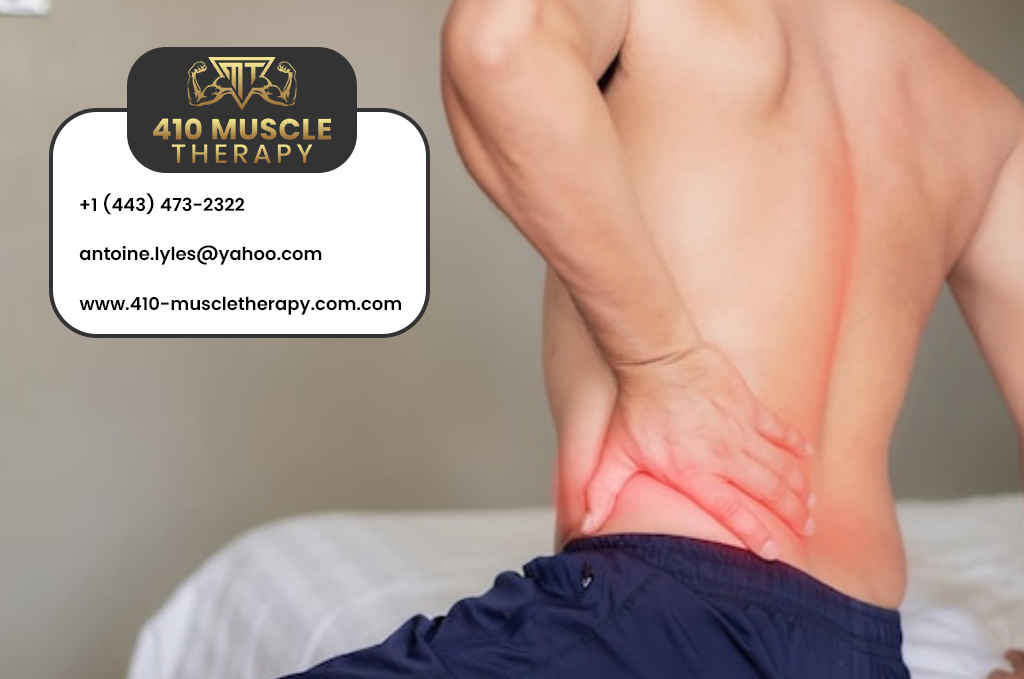
Massage for sciatica can feel like the missing piece when pain keeps traveling from your lower back into your hip, glute, or leg. One day it may feel like a dull ache. The next, it may turn into sharp, burning, or pulling discomfort that makes sitting, walking, or bending harder than usual.
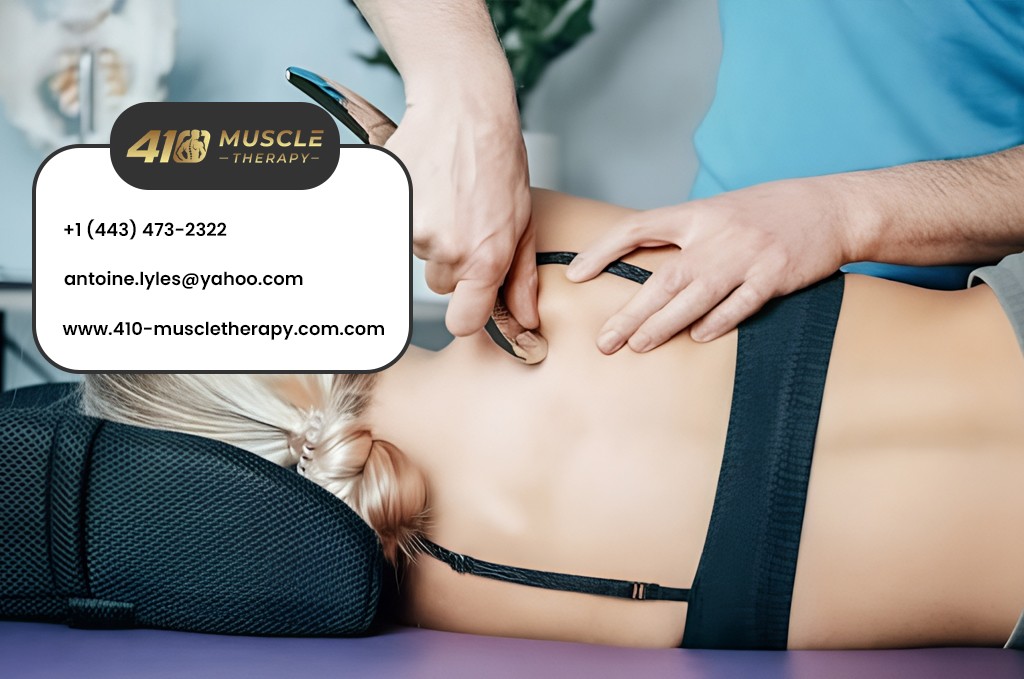
The tricky part is that sciatic nerve pain is not always only about the nerve. Tight glutes, stiff hips, lower back tension, and guarded muscles can all make the area feel worse. That is where careful massage may help by easing soft tissue tension and supporting better movement.
At 410 Muscle Therapy, the goal is not to force pressure into painful areas. The goal is focused, careful bodywork that helps your body feel less restricted, more supported, and better prepared to move with comfort.
What Sciatica Pain Feels Like
Sciatica is different from ordinary back pain because it is commonly associated with the sciatic nerve. The pain may start from the lower back and can extend to the hip, buttocks, leg, or even the foot. For some patients, it feels like sharp pain, while for others, it could be more like a burning or tingling sensation.
Common symptoms can include:
Symptom
What It May Feel Like
Lower back leg pain
Pain that starts in the back and travels down the leg
Glute muscle tightness
Deep tightness in the buttock or hip area
Tingling
Pins and needles in the leg or foot
Burning pain
Hot or electric pain down one side
Numbness
Less feeling in part of the leg or foot
Weakness
Trouble walking, lifting the foot, or standing normally
Mayo Clinic says mild sciatica can improve over time, but severe pain, worsening symptoms, sudden weakness, or loss of bladder or bowel control need medical care.
How Massage for Sciatica May Help
Massage may help sciatica-related discomfort when muscles are tight, guarded, or pulling on nearby areas. This is common when the lower back, hips, glutes, or hamstrings stay tense for too long.
A review on massage therapy found that massage may help some people with pain in the short term, although results can vary from person to person.
It Can Ease Glute Muscle Tightness
The glute muscles are close to the route of the sciatic nerve. When the muscles experience tension, pain, or fatigue, it causes problems in the hip and buttocks regions.
Massage helps to relieve tension in the glute muscles. This relieves pulling and promotes freer movement of the hip.
This is one reason many people with sciatica-like pain also look for deep tissue massage in Maryland when tight muscles are part of the problem.
It Can Relax the Lower Back
The strain put on the lower back could worsen the sciatic pain. As the muscles of the back start to tense up, movement in the body would be restricted.
A massage could help loosen tight muscles of the lower back, increasing the circulation in that region. It could help relieve the stiffness that results from leg pain of the lower back.
You can also read more about massage for lower back pain if your sciatica symptoms start with back tension.
It Can Improve Hip and Leg Movement
Sciatica pain can make people move less. Over time, the hips, glutes, hamstrings, and calves may feel tighter.
Massage can support better movement by working on soft tissue restrictions. When the body moves with less tension, daily actions like walking, sitting, and standing may feel easier.
It Can Calm Stress Around Pain
Pain causes heightened awareness of the nervous system. It may also result in increased muscular guarding and stress.
Massage therapy can help to relax the body. The body that is relaxed may tolerate pain better. It does not solve the nerve condition; however, it relaxes the body.
Best Massage Types for Sciatic Nerve Pain
Different massage styles may help different people. The right approach depends on your symptoms, pain level, and how sensitive your body feels that day.
Deep Tissue Massage
Deep tissue massage focuses on muscles and connective tissue found in a deeper layer. This type of massage might be effective when long-term muscle tension causes discomfort for the sciatic nerve.
That does not mean, however, that the pressure applied during the process needs to be uncomfortable. The right kind of deep tissue massage is one that is methodical and exacting.
If your pain is linked with long-term tightness, this guide on deep tissue massage for chronic pain can help you understand when deeper work may be useful.
Myofascial Release
This technique targets fascia, which is connective tissue covering the muscles. When fascia is restricted, movement may feel rigid or constricted.
Myofascial release treatment could prove effective in alleviating sciatica pain by relaxing pulling in the hip, low back, and leg areas. It would come in handy where one feels entrapped, tense, or guarded.
You can learn more about myofascial release in Maryland and how it supports mobility.
Trigger Point Therapy
Trigger points are tight spots in muscle that can send pain to other areas. Some trigger points in the glutes, hips, or lower back may feel like leg pain or deep buttock pain.
Trigger point therapy can help release these tight areas. The goal is to reduce muscle referral pain and improve comfort.
This guide on trigger point therapy explains how muscle knots can affect pain patterns.
Stretch-Based Massage
Stretching can help when tight hips, glutes, or hamstrings are limiting movement. Stretch-based massage combines hands-on work with gentle mobility support.
This can be useful for people who feel stiff after sitting, driving, or working at a desk.
You can also compare stretch therapy vs massage therapy to see how both methods support movement.
What Areas Should Be Worked During Sciatica Massage?
A good massage session for sciatica does not only focus on where the pain feels strongest. The therapist may also check nearby areas that affect movement and tension.
Common focus areas include:
Lower back
Glutes
Piriformis area
Hips
Hamstrings
Calves
Hip flexors
IT band area
The therapist should ask about your symptoms before the session. They should also adjust pressure if pain increases.
Massage should never feel like force. If pain shoots sharply down the leg during the session, speak up right away.
When Massage May Not Be Enough
Massage can help with muscle tension, but sciatica can also come from nerve compression, disc issues, spinal narrowing, injury, or other medical causes.
That is why massage should be seen as support, not a replacement for medical care.
NHS Inform says many people recover from sciatica with time, pacing activity, staying active, gentle exercise, and pain control, but symptoms should be watched carefully.
You should seek medical advice if:
Pain is severe or getting worse
Symptoms last longer than expected
You feel sudden weakness
You have numbness that spreads
Pain follows a fall or accident
You have trouble controlling your bladder or bowels
These signs need medical attention. Massage is not the right first step for serious nerve symptoms.
What to Expect During a Massage Session
A session should start with a short conversation. The therapist may ask where the pain starts, where it travels, what makes it worse, and what helps.
They may also ask about sitting time, work habits, workouts, injuries, and daily movement.
During the session, the therapist may work slowly around the lower back, hips, glutes, and legs. The pressure should match your comfort level.
A good session may include:
Step
What Happens
Intake
You explain your pain and symptoms
Muscle check
The therapist checks tight areas
Gentle warm-up
Light pressure helps relax tissue
Targeted work
Glutes, hips, back, or legs are addressed
Pressure checks
You give feedback during the session
Aftercare tips
You may get simple movement or care advice
If you are new to bodywork, this guide on what happens during a deep tissue massage can help you feel more prepared.
How Often Should You Get Massage for Sciatica?
There is no perfect time schedule that fits everybody.
Your body’s response, the amount of physical activity, the cause of your pain, and intensity are among other factors to consider.
Some patients feel an improvement after their first visit while others need several visits to ease their chronic stiffness in the lower part of the back and gluteus muscles.
During a short period of time, the process usually starts with weekly visits, which may become less frequent once your condition improves.
The point is not to become addicted to the massages, but rather to relieve the tension, increase mobility, and develop healthy habits.
Simple Tips to Support Sciatica Relief Between Sessions
Massage works best when paired with smart daily habits. Small changes can help keep muscles from tightening again.
Try these simple steps:
Avoid sitting too long without breaks
Take short walks if they do not increase pain
Use gentle stretching only if it feels safe
Keep your hips and lower back moving
Avoid aggressive stretching during flare-ups
Use heat or cold if it helps
Sleep in a position that reduces leg pain
Pay attention to what triggers symptoms
NHS exercise guidance says to stop exercises if they cause pain or make you feel unwell.
Massage for Sciatica vs Massage for Regular Back Pain
Sciatica and regular back pain are not always the same.
Regular back pain may stay in the lower back. Sciatica often travels into the buttock, leg, or foot.
That difference matters. A massage plan for sciatica should consider the nerve path and nearby muscles. The therapist should avoid heavy pressure that worsens leg symptoms.
If your pain is only in the back, a general back pain approach may help. If your pain travels down the leg, the session should be more careful and specific.
You can read more about massage therapy for pain relief to understand how different massage methods may support pain and wellness.
Why Choose 410 Muscle Therapy?
Choose 410 Muscle Therapy if you want careful, focused bodywork for muscle tightness, mobility limits, and pain relief support. Our sessions are built around your symptoms, comfort level, and movement goals, so your body can feel supported without unnecessary pressure.
Conclusion
Massage for sciatica may help ease muscle tightness, lower back leg pain, and glute tension when soft tissue is part of the problem. It can support better movement, relaxation, and comfort.
Still, sciatica can have different causes. If symptoms are severe, worsening, or linked with weakness or numbness, medical care is important.
A smart massage plan should be careful, patient-focused, and based on how your body responds. If you want support for sciatic nerve pain, glute muscle tightness, or lower back tension, explore professional massage therapy for pain relief and take the next step toward better movement.