
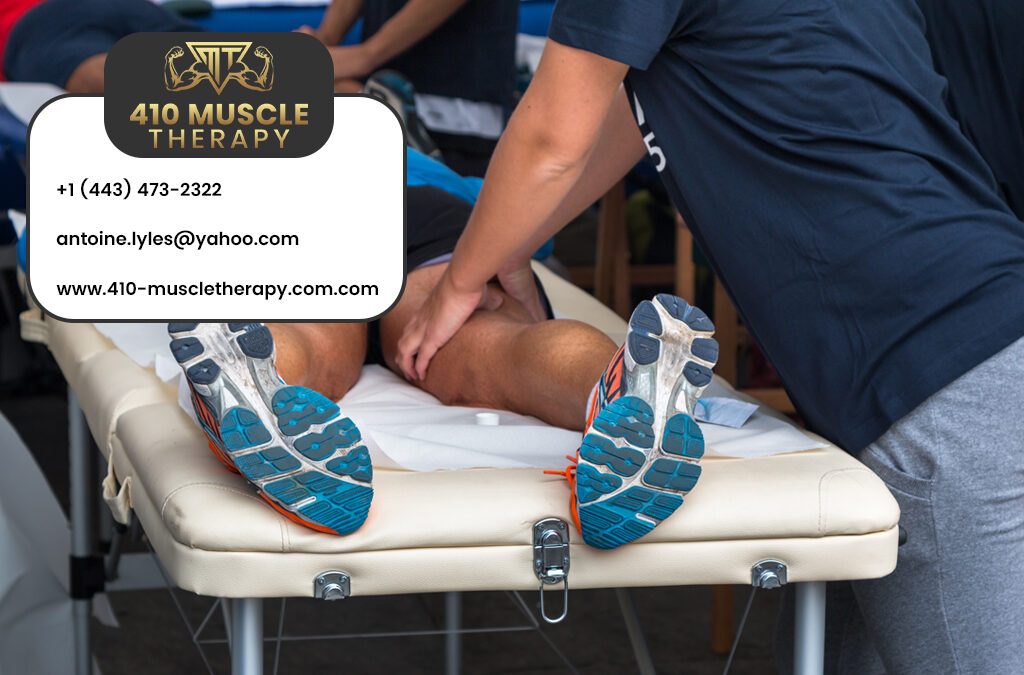
Sports massage therapy is an essential component of many athletes’ recovery and performance strategies. Whether you’re a professional athlete or someone who enjoys regular physical activity, sports massage therapy offers numerous benefits beyond mere relaxation. It can help prevent injuries, reduce recovery time, and improve overall physical performance.
However, many people aren’t familiar with the specific techniques and skills of a sports massage therapist. What exactly do they do, and how does their work differ from traditional massage? In this blog, we will explore what a sports massage therapist does, the benefits of sports massage, and how it can enhance both athletic performance and recovery.
This is especially valuable for those considering adding sports massage therapy in Maryland to their training or recovery routine.
Understanding Sports Massage Therapy
Sports massage therapy involves the use of specialized massage techniques aimed at improving athletic performance, reducing recovery time, and alleviating muscle soreness. Unlike general massage therapies, sports massage is specifically tailored to the needs of athletes or active individuals, addressing issues such as muscle tightness, overuse injuries, and areas of strain from physical activity.
Sports massage therapists are trained to understand the body’s biomechanics, including how muscles and connective tissues react to different physical stresses. They use specific methods to target muscle groups that are under particular strain or fatigue due to athletic activity.
Sports massage therapy is particularly effective for addressing chronic pain and stiffness. Many athletes incorporate sports massage into their training regimens as a way to promote recovery and enhance performance, often complementing it with deep tissue massage therapy in Maryland for deeper tension release.
Key Goals of Sports Massage:
- Enhancing performance by improving flexibility and muscle function
- Preventing injuries through regular muscle maintenance and recovery techniques
- Reducing muscle soreness and fatigue after intense activity
- Speeding up recovery time following strenuous workouts or competitions
- Improving circulation and oxygen delivery to muscles for more efficient repair
Sports massage is an essential part of maintaining peak physical condition, whether you’re training for a marathon, recovering from an injury, or just maintaining a consistent workout regimen.
What Does a Sports Massage Therapist Do?
Sports massage therapists focus on manipulating the muscles and soft tissues to enhance athletic performance, reduce pain, and prevent future injuries. The specific tasks of a sports massage therapist can vary depending on the client’s needs, but they generally involve:
1. Assessing the Client’s Needs
Before starting the massage, the therapist conducts an assessment to understand the client’s goals and concerns. This includes a conversation about:
- Current physical condition
- Areas of pain or discomfort
- Exercise routine or training schedule
- Injury history or pre-existing conditions
This helps the therapist tailor the massage to meet specific needs and ensure the best results. For example, an athlete training for a race may need more focus on the legs, while someone recovering from a shoulder injury may need targeted work on the upper body.
2. Identifying Areas of Tension or Restriction
Sports massage therapists are skilled in identifying muscle groups or areas that are particularly tight or inflamed. Using a combination of hands-on techniques, they can detect areas where tension, tightness, or injury may have occurred.
Many times, athletes may not even be aware of the source of pain or discomfort, and a sports massage therapist can help pinpoint areas that need special attention.
3. Using Targeted Techniques
A sports massage therapist uses various techniques to treat muscles and tissues that are tight, sore, or overworked. Some common techniques include:
Effleurage:
A long, gliding stroke used to warm up the muscles at the beginning of the session. Effleurage helps improve circulation and promotes relaxation.
Petrissage:
A kneading technique that helps loosen tight muscles, increase blood flow, and alleviate muscle spasms. This technique is often used to work out knots and areas of tension.
Friction:
Focused, deep pressure applied to the muscles to break up scar tissue or adhesions, improving flexibility and mobility.
Compression:
This technique involves applying pressure to a muscle group to relieve muscle tightness and facilitate the release of lactic acid.
Trigger Point Therapy:
Targeting specific points of muscle tightness (trigger points) to relieve pain and restore normal muscle function.
Sports massage can also be combined with other therapeutic modalities, such as myofascial release therapy in Maryland for more advanced fascial restrictions.
4. Stretching and Mobilization
Sports massage therapists often incorporate stretching into the massage. This is particularly important for athletes, as it can help improve flexibility, range of motion, and muscle recovery. Stretching during a massage helps lengthen muscle fibers, reducing tension and improving the body’s overall mobility.
In addition, sports massage therapists may use joint mobilization techniques to gently move joints and enhance their flexibility and range of motion. This can help relieve stiffness and discomfort, especially for athletes with restricted joint mobility.
Who Can Benefit from Sports Massage?
While sports massage is often associated with athletes, anyone who engages in physical activity can benefit from it. This includes:
- Recreational athletes: Individuals who participate in regular physical activity or weekend sports.
- Professional athletes: Those who require frequent and intense training or competition.
- Active individuals: People with physically demanding jobs or routines, such as manual laborers or those who stand or sit for long periods.
- People recovering from injuries: Sports massage therapy can speed up the recovery process after an injury by improving circulation, reducing swelling, and promoting faster healing.
Benefits of Sports Massage
1. Injury Prevention
Regular sports massage helps identify potential problem areas before they become serious injuries. By targeting specific muscle groups and areas of tension, sports massage can prevent muscle strains, ligament sprains, and other injuries.
2. Faster Recovery
After intense physical activity, muscles can experience soreness, inflammation, and fatigue. Sports massage accelerates recovery by improving circulation, flushing out toxins (such as lactic acid), and increasing oxygen flow to muscles. This helps reduce soreness and helps muscles heal faster.
3. Improved Flexibility and Range of Motion
Sports massage can stretch and lengthen muscle fibers, improving flexibility and range of motion. This is especially beneficial for athletes who need to maintain optimal joint function and muscle elasticity.
4. Reduced Muscle Tension
Many athletes or active individuals suffer from chronic muscle tension and tightness. Regular massage therapy reduces muscle spasms and helps maintain a relaxed, flexible body.
5. Reduced Stress and Mental Fatigue
Physical activity can also create mental stress, especially for athletes under pressure. Sports massage promotes relaxation, reduces cortisol (the stress hormone), and helps athletes recharge mentally and emotionally.
When Should You Get a Sports Massage?
Sports massage should be tailored to your activity level and training schedule. Generally, it is most effective when:
- Before a competition: To prepare muscles for peak performance and reduce the risk of injury.
- After a competition: To reduce muscle tension, flush out toxins, and aid in recovery.
- During training: To prevent muscle tightness, improve flexibility, and release built-up tension.
If you’re an athlete or someone who exercises regularly, a sports massage therapist can help you create a maintenance schedule based on your goals and physical demands.
For individuals new to sports massage, starting with a session focused on deep tissue massage therapy in Maryland can help prepare the muscles for ongoing care.
Sports Massage vs Traditional Massage
While traditional massage therapies are focused on relaxation and stress relief, sports massage is more targeted and performance-driven. The key differences include:
- Target Areas: Sports massage focuses on specific muscle groups, while traditional massage is more general.
- Pressure and Techniques: Sports massage uses deeper pressure and specific techniques like trigger point therapy to address muscle dysfunction, while traditional massage is gentler and more focused on relaxation.
- Goal: Sports massage aims to prevent injuries, promote recovery, and enhance performance, while traditional massage is mostly about relaxation and relieving stress.
For individuals with ongoing physical discomfort or athletic performance goals, combining sports massage therapy with traditional methods like deep tissue massage can offer comprehensive benefits.
How Often Should You Get a Sports Massage?
The frequency of sports massage depends on the intensity and frequency of physical activity. Athletes may benefit from weekly or bi-weekly sessions, while recreational exercisers may find monthly sessions sufficient. Active individuals with muscle tightness or tension may also consider regular sports massage to maintain muscle health and performance.
Final Thoughts: The Importance of Sports Massage for Active Individuals
Sports massage is not just for professional athletes. It is a valuable therapy for anyone who engages in regular physical activity or experiences muscle tension, soreness, or fatigue. By addressing muscle imbalances, preventing injury, and promoting faster recovery, sports massage therapy can help individuals perform better, recover more quickly, and feel their best.
If you’re looking for professional sports massage therapy in Maryland, consider speaking with a licensed therapist to create a personalized plan that supports your physical goals.