
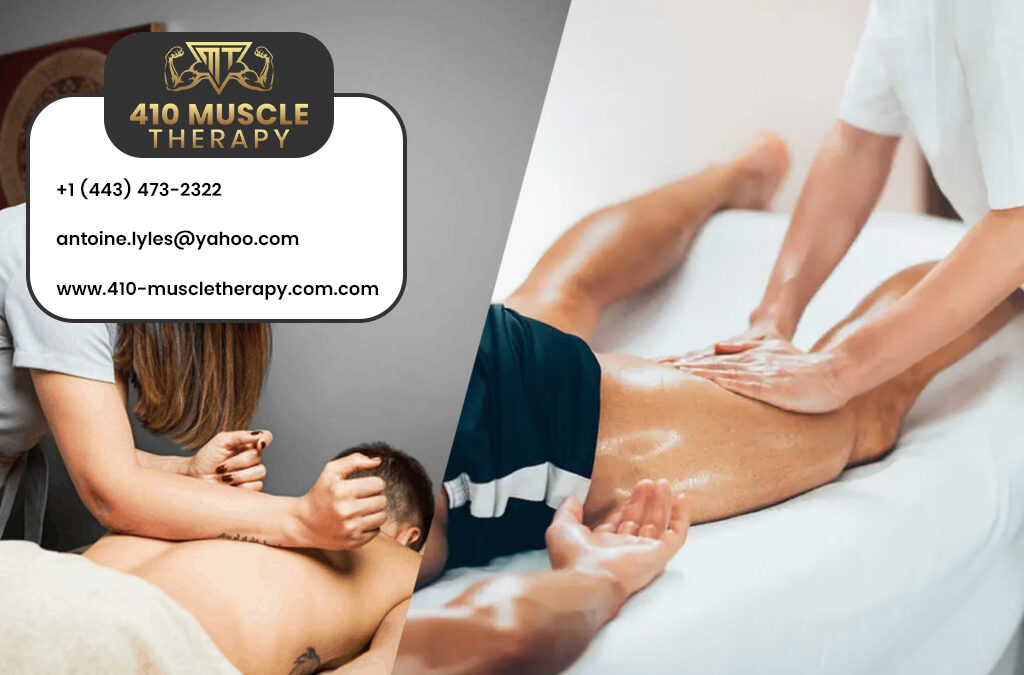
Active bodies demand more than simple relaxation. Whether you are an athlete, a gym-goer, or someone with a physically demanding job, your muscles are constantly adapting to stress, load, and movement. Recovery is not optional, it is essential. Without proper recovery, performance declines, stiffness builds up, and the risk of injury increases.
Two advanced bodywork approaches often recommended for active individuals are Russian massage and sports massage. While both are highly effective, they serve different purposes and support the body in distinct ways. Understanding how each works helps you choose the right option based on your activity level, recovery needs, and performance goals.
Many active individuals explore both Russian massage therapy in Maryland and sports massage therapy in Maryland as part of a long-term recovery strategy.
This guide breaks down the differences, benefits, and ideal use cases of Russian massage vs sports massage so you can decide which one is better for your body.
Understanding the Needs of Active Bodies
Active bodies experience repetitive stress. Training sessions, competitions, workouts, and even long workdays place continuous demand on muscles, fascia, joints, and the nervous system. Over time, this leads to:
- Muscle tightness
- Reduced flexibility
- Decreased circulation
- Delayed recovery
- Increased injury risk
Massage therapy helps counter these effects, but not all massage styles work the same way. Choosing the right technique can make a significant difference in how quickly and effectively your body recovers.
What Is Russian Massage?
Russian massage is a structured, performance-focused therapy that originated in Eastern Europe and was developed for athletes, military personnel, and rehabilitation patients. Unlike relaxation massage, Russian massage emphasizes muscle tone normalization, circulation enhancement, and functional recovery.
Russian massage uses rhythmic, repetitive movements that stimulate muscles and connective tissue in a systematic way. The goal is not only to reduce tension but to improve how muscles function during movement.
Many people integrate Russian massage with other recovery services available through 410 Muscle Therapy – Professional Massage & Recovery Services for long-term physical resilience.
What Is Sports Massage?
Sports massage is designed specifically for athletes and physically active individuals. It focuses on muscles used during specific activities, helping prepare the body for performance or aiding recovery after exertion.
Sports massage adapts its techniques based on timing:
- Pre-event: to warm up muscles
- Post-event: to reduce soreness
- Maintenance: to prevent injury
Sports massage therapists tailor each session to the demands placed on the body, making it highly individualized.
Key Differences Between Russian Massage and Sports Massage
Technique Style
Russian Massage
- Rhythmic and systematic
- Focuses on circulation and muscle tone
- Emphasizes recovery and endurance
Sports Massage
- Targeted and activity-specific
- Focuses on stressed muscle groups
- Emphasizes injury prevention and performance
Primary Goal
Russian Massage
- Improve muscle efficiency
- Normalize muscle tone
- Enhance long-term recovery
Sports Massage
- Prepare muscles for activity
- Reduce post-exercise soreness
- Address overuse patterns
Pressure and Sensation
Russian massage typically feels steady and rhythmic, stimulating rather than intense. Sports massage may include deeper pressure, trigger point work, and stretching depending on the athlete’s needs.
For deeper tension, both approaches may be supported by deep tissue massage therapy in Maryland when necessary.
How Russian Massage Benefits Active Bodies
Russian massage is especially effective for overall muscle recovery and endurance.
Improves Circulation
The rhythmic movements increase blood flow, delivering oxygen and nutrients to fatigued muscles.
Restores Muscle Tone
Muscles that are overworked or underused regain balance, improving movement efficiency.
Enhances Recovery Between Training Sessions
Russian massage helps muscles recover faster, making it ideal during intense training cycles.
Supports Nervous System Regulation
The structured rhythm helps calm the nervous system while keeping muscles responsive.
Russian massage works particularly well when paired with infrared therapy in Maryland to further enhance circulation and reduce inflammation.
How Sports Massage Benefits Active Bodies
Sports massage is ideal for activity-specific recovery and injury prevention.
Targets Overused Muscles
Muscles stressed by training or competition receive focused attention.
Improves Flexibility and Range of Motion
Stretching techniques help restore movement after exertion.
Reduces Delayed Onset Muscle Soreness (DOMS)
Sports massage helps flush metabolic waste from muscles.
Prevents Overuse Injuries
Regular sessions identify and address tension before injury develops.
Many athletes combine sports massage with stretch therapy in Maryland to maintain flexibility throughout training cycles.
Russian Massage vs Sports Massage for Different Activity Levels
Strength Training & Weightlifting
Russian massage supports recovery between heavy sessions, while sports massage helps address specific muscle groups stressed by lifting.
Endurance Sports (Running, Cycling)
Sports massage is effective post-event, while Russian massage supports long-term muscle efficiency and circulation.
Team Sports
Sports massage helps with pre-game and post-game recovery, while Russian massage supports season-long conditioning.
Physically Demanding Jobs
Russian massage often provides more consistent relief for repetitive strain, especially when combined with corrective movement therapy in Maryland.
Role of Fascia in Active Recovery
Both Russian and sports massage influence fascia, but in different ways.
For deeper fascial restrictions, many clients integrate:
These therapies complement both massage styles by improving tissue glide and joint mobility.
Which One Is Better for Active Bodies?
The answer depends on your goal.
Choose Russian Massage if you:
- Train frequently
- Need consistent recovery support
- Want improved circulation and muscle endurance
Choose Sports Massage if you:
- Compete or train for specific events
- Need targeted muscle work
- Want injury prevention and flexibility
Many active individuals alternate between both depending on training phases.
Can You Combine Russian Massage and Sports Massage?
Yes and this is often the best approach.
A combined strategy may look like:
- Russian massage during heavy training weeks
- Sports massage before or after events
- Deep tissue or myofascial release for problem areas
This layered approach supports both performance and longevity.
What to Expect During Sessions
Both therapies begin with an assessment. The therapist evaluates movement, tension, and activity demands before selecting techniques.
Sessions may include:
- Rhythmic stimulation (Russian massage)
- Targeted pressure and stretching (sports massage)
- Supportive modalities as needed
Recovery improves when therapy is consistent and tailored.
Choosing the Right Therapist Matters
Both Russian and sports massage require advanced anatomical knowledge and experience with active bodies. Working with trained professionals ensures safety, effectiveness, and results.
To explore services, reviews, and local updates, visit:
410 Muscle Therapy on Google – Reviews & Updates
Final Verdict: Russian Massage vs Sports Massage
Neither Russian massage nor sports massage is universally “better.” Each serves a distinct role in supporting active bodies.
Russian massage excels at long-term recovery, circulation, and muscle efficiency. Sports massage shines in targeted recovery, injury prevention, and performance preparation. When used strategically alone or together both therapies help active bodies move better, recover faster, and perform at a higher level.
Timonium, Maryland