
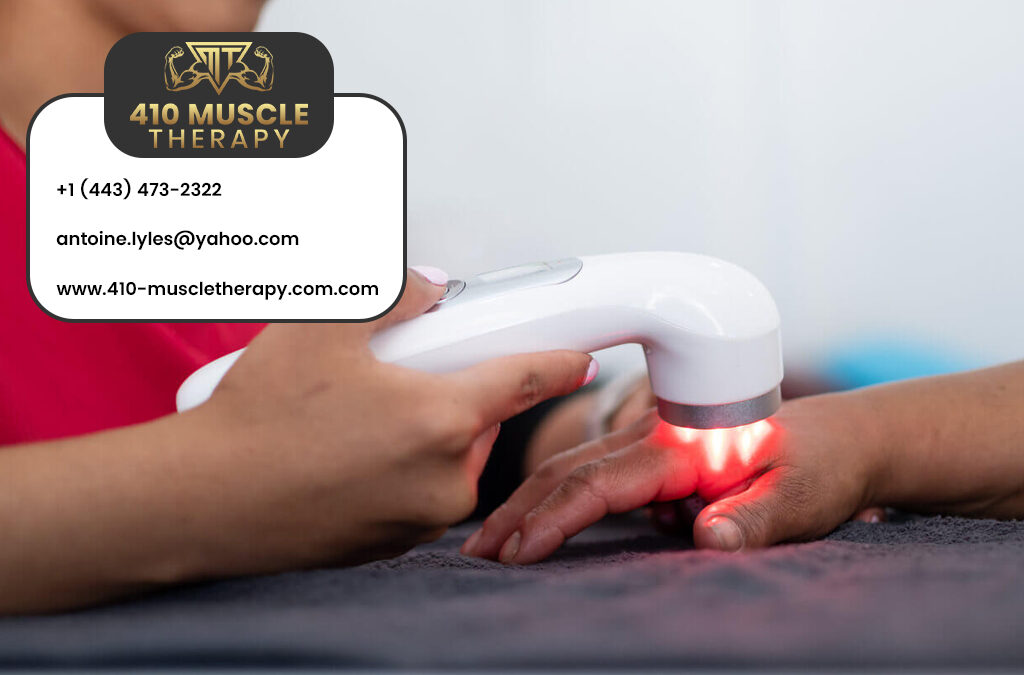
Inflammation and pain are among the most common reasons people seek therapeutic care. Whether caused by injury, chronic conditions, repetitive movement, or everyday stress on the body, inflammation can limit mobility, disrupt sleep, and reduce overall quality of life. While pain medications may provide temporary relief, they often fail to address the underlying causes of inflammation.
Infrared therapy has gained attention as a non-invasive, drug-free approach that supports the body’s natural healing processes. By using infrared light to penetrate deep into tissues, this therapy helps reduce inflammation, ease pain, and improve circulation at a cellular level.
Many individuals exploring modern recovery options choose infrared therapy in Maryland as part of a comprehensive pain-management and wellness routine.
This guide explains how infrared therapy works, why it is effective for reducing inflammation and pain, and how it fits into long-term muscle and joint health.
Understanding Inflammation and Pain
Inflammation is the body’s natural response to injury, stress, or irritation. In the short term, it plays a protective role by increasing blood flow and delivering immune cells to damaged tissue. However, when inflammation becomes chronic, it can lead to persistent pain, stiffness, and tissue damage.
Chronic inflammation is often linked to:
- Muscle overuse
- Joint stress
- Poor circulation
- Repetitive movement
- Old injuries
- Sedentary lifestyles
Pain occurs when inflamed tissues irritate surrounding nerves or restrict movement. Addressing inflammation directly is essential for lasting pain relief.
What Is Infrared Therapy?
Infrared therapy is a treatment that uses infrared light, a form of energy invisible to the human eye to penetrate the skin and underlying tissues. Unlike surface heat, infrared energy reaches deeper layers of muscle, joints, and connective tissue.
This deep penetration allows infrared therapy to:
- Increase circulation
- Improve oxygen delivery
- Reduce inflammation
- Support tissue repair
Infrared therapy is commonly used for muscle pain, joint stiffness, and recovery from physical stress.
Many people include infrared therapy as part of broader care plans available through 410 Muscle Therapy – Professional Massage & Recovery Services.
How Infrared Therapy Works in the Body
Infrared light works by gently heating tissues from the inside out. When infrared energy reaches muscle and joint tissue, it triggers a series of physiological responses.
Increased Blood Flow
Infrared therapy causes blood vessels to dilate, improving circulation. Increased blood flow brings oxygen and nutrients to inflamed tissues while helping remove waste products that contribute to pain.
Cellular Stimulation
Infrared energy supports cellular activity by enhancing mitochondrial function. This helps cells produce energy more efficiently, accelerating tissue repair and recovery.
Reduction of Oxidative Stress
By improving circulation and cellular function, infrared therapy helps reduce oxidative stress, which plays a role in chronic inflammation.
How Infrared Therapy Helps Reduce Inflammation
Improves Circulation to Inflamed Areas
Poor circulation allows inflammation to persist. Infrared therapy increases blood flow to affected areas, helping reduce swelling and stiffness.
Encourages Natural Healing
Rather than masking pain, infrared therapy supports the body’s healing response by improving nutrient delivery and waste removal.
Relaxes Tight Muscles
Inflamed muscles often remain tight and guarded. Infrared heat allows muscle fibers to relax, reducing pressure on surrounding joints and nerves.
This makes infrared therapy an effective complement to hands-on treatments such as deep tissue massage therapy in Maryland.
How Infrared Therapy Helps Relieve Pain
Reduces Nerve Sensitivity
Inflammation increases nerve sensitivity, leading to pain signals. Infrared therapy helps calm irritated nerves by improving circulation and reducing tissue pressure.
Eases Joint Stiffness
Infrared heat improves joint mobility by loosening surrounding muscles and connective tissue, making movement less painful.
Supports Long-Term Pain Management
Consistent infrared therapy sessions can help reduce recurring pain by addressing underlying inflammation rather than temporary symptoms.
For individuals dealing with fascial tightness, infrared therapy may be paired with myofascial release therapy in Maryland for more comprehensive relief.
Conditions Commonly Helped by Infrared Therapy
Infrared therapy is often used to support individuals experiencing:
- Muscle soreness and fatigue
- Joint pain and stiffness
- Arthritis-related discomfort
- Chronic inflammation
- Post-workout soreness
- Stress-related muscle tension
Because infrared therapy works systemically, it can improve overall comfort and mobility.
Infrared Therapy vs Traditional Heat Therapy
Traditional heat therapy warms surface tissues, providing temporary comfort. Infrared therapy differs because it penetrates deeper layers of muscle and joints.
Infrared therapy:
- Reaches deeper tissues
- Improves circulation more effectively
- Supports cellular repair
- Provides longer-lasting relief
This makes infrared therapy a more advanced option for chronic pain and inflammation.
What Happens During an Infrared Therapy Session?
An infrared therapy session typically begins with a brief consultation to identify areas of pain or inflammation. During the session:
- Infrared light is applied to targeted areas
- Heat builds gradually and comfortably
- Muscles begin to relax as circulation improves
Sessions are generally calming and do not involve physical manipulation.
Infrared therapy is often combined with hands-on treatments like sports massage therapy for athletic recovery to support both recovery and performance.
Sensations During and After Infrared Therapy
During the session, clients may experience:
- Gentle warmth
- Muscle relaxation
- Increased comfort
After the session, many report:
- Reduced stiffness
- Improved mobility
- Less pain
Hydration after treatment helps support detoxification and recovery.
Infrared Therapy for Active Individuals and Athletes
Athletes place repeated stress on muscles and joints, increasing inflammation risk. Infrared therapy supports recovery by:
- Reducing muscle soreness
- Improving circulation
- Supporting faster tissue repair
Many athletes integrate infrared therapy alongside corrective movement therapy for mobility improvement to address movement patterns that contribute to inflammation.
How Often Should You Use Infrared Therapy?
Frequency depends on individual needs:
- Chronic pain: multiple sessions per week initially
- Maintenance: weekly or bi-weekly sessions
- Athletic recovery: based on training intensity
A licensed provider can recommend a schedule tailored to your goals.
Supporting Pain Relief Beyond Infrared Therapy
Infrared therapy is most effective when combined with healthy habits such as:
- Regular movement
- Stretching and mobility work
- Adequate hydration
- Proper rest
Many individuals also include professional stretch therapy sessions to maintain flexibility and reduce tension between treatments.
Choosing a Professional Infrared Therapy Provider
Infrared therapy should always be administered by trained professionals who understand proper application and safety guidelines.
To learn more about services, reviews, and local updates, visit:
410 Muscle Therapy on Google – Reviews & Updates
Final Thoughts: Why Infrared Therapy Matters for Inflammation & Pain
Infrared therapy offers a modern, non-invasive approach to reducing inflammation and managing pain. By improving circulation, supporting cellular repair, and relaxing muscles, it addresses the root causes of discomfort rather than masking symptoms.
When integrated into a consistent wellness routine, infrared therapy can help individuals move more freely, recover faster, and experience lasting relief from inflammation and pain.