Chronic muscle tension is something many people deal with every day. Whether it comes from long hours at a desk, intense physical activity, stress, or poor posture, the body can hold onto tightness for weeks or even months.
Over time, this tension can lead to discomfort, restricted movement, fatigue, and even pain that affects your daily routine. Many people try stretching or rest, but when tension becomes persistent, it often requires a more targeted approach.
One therapy that has gained attention for addressing chronic muscle tightness is cupping therapy.
At 410 Muscle Therapy, cupping therapy is used as part of a structured recovery approach designed to release tension, improve circulation, and help the body return to a more relaxed and balanced state.
But the key question is: Is cupping therapy actually effective for chronic tension?
Let’s explore how it works and when it can help.
What Is Chronic Muscle Tension?
Chronic tension occurs when muscles remain tight for extended periods without fully relaxing. This can happen due to:
- Repetitive movements
- Poor posture
- Stress and anxiety
- Lack of movement
- Overuse of certain muscle groups
When muscles stay tight, they restrict blood flow and reduce oxygen delivery. This can create a cycle where tension leads to discomfort, and discomfort leads to more tension.
What Is Cupping Therapy?
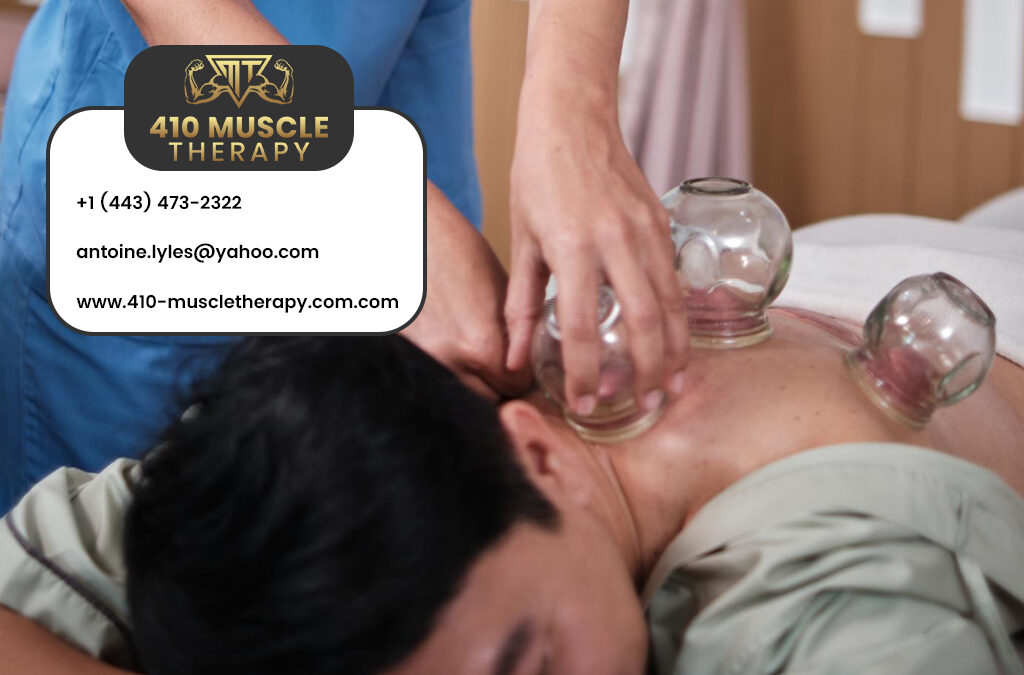
Cupping therapy is a technique that uses suction to lift the skin and underlying tissue. This helps improve circulation and release tight muscle areas.
Unlike traditional massage, which applies downward pressure, cupping therapy works by gently pulling tissue upward.
Professional treatments such as Cupping Therapy Maryland use controlled suction to target areas affected by chronic tension.
How Cupping Therapy Targets Chronic Tension
Chronic tension is often deeply rooted in both muscle tissue and fascia. Cupping therapy works on both levels.
Releasing Tight Muscle Fibers
The suction effect helps separate tight muscle fibers, allowing them to relax and return to a more natural state.
Improving Blood Flow
Cupping increases circulation in areas where blood flow may be restricted.
Reducing Tissue Compression
By lifting the tissue, cupping reduces pressure on muscles and surrounding structures.
For individuals with deeper muscle tightness, combining therapy with Deep Tissue Massage Maryland can provide additional relief.
Breaking the Cycle of Chronic Tension
Chronic tension often follows a cycle:
Tight muscles → reduced circulation → discomfort → more tension
Cupping therapy helps break this cycle by improving blood flow and allowing muscles to relax.
Some clients also combine cupping therapy with Infrared Therapy in Maryland to enhance circulation and tissue relaxation.
Effectiveness of Cupping Therapy for Long-Term Tension
Many individuals experience noticeable improvements after consistent cupping sessions.
Benefits may include:
- Reduced muscle tightness
- Improved flexibility
- Increased circulation
- Better range of motion
- Reduced discomfort
However, chronic tension often requires ongoing treatment rather than a single session.
Supporting Fascia and Connective Tissue
Fascia plays a major role in chronic tension. When fascia becomes tight or restricted, it can limit movement and create discomfort.
Cupping therapy helps release fascial restrictions by lifting and loosening the tissue.
Therapies such as Myofascial Release Maryland can further improve results when combined with cupping.
Cupping Therapy and Stress-Related Tension
Stress is one of the most common causes of chronic muscle tension.
When stress builds up, muscles especially in the neck, shoulders, and back—tighten as part of the body’s response.
Cupping therapy helps relax these areas and may support overall stress relief.
Relaxation-based treatments such as Hot Stone Massage Maryland are also commonly used for stress-related tension.
Improving Mobility and Movement
Chronic tension can limit movement and reduce flexibility.
Cupping therapy helps restore mobility by:
- Releasing tight tissue
- Improving circulation
- Reducing stiffness
For individuals focused on improving movement patterns, sessions such as Maryland Stretch Therapy can complement cupping therapy.
Who Can Benefit Most from Cupping Therapy?
Cupping therapy is especially helpful for:
- Office workers with neck and shoulder tension
- Athletes with tight muscles
- Individuals with chronic back discomfort
- People experiencing stress-related tension
Athletes often include cupping therapy in recovery routines along with sessions from a Maryland Sports Massage Therapist.
Combining Cupping with Other Therapies
For chronic tension, combining therapies often provides better results.
For example:
- Acupressure Maryland can target specific tension points
- Corrective Movement Maryland helps improve posture and movement
- Hot Towel Massage Maryland enhances relaxation
Using multiple approaches helps address both the cause and symptoms of tension.
What to Expect During a Session
A cupping therapy session at 410 Muscle Therapy typically includes:
Consultation
Discussion of tension areas and recovery goals
Cup Placement
Cups are placed on targeted muscle areas
Suction Application
Gentle suction lifts the tissue
Treatment Duration
Cups remain in place for several minutes
Some sessions may include movement-based cupping or massage techniques.
How Often Should You Get Cupping Therapy?
Chronic tension usually requires consistent treatment.
Severe Tension
Weekly sessions may help reduce tightness
Moderate Tension
Biweekly sessions may be effective
Maintenance
Monthly sessions help prevent tension buildup
Consistency is key for long-term improvement.
Is Cupping Therapy Safe for Regular Use?
Cupping therapy is generally safe when performed by trained professionals.
Temporary marks may appear after treatment. These marks are a normal response and usually fade within a few days.
Why Clients Choose 410 Muscle Therapy
At 410 Muscle Therapy, treatments are tailored to each client’s needs.
Therapists focus on:
- Identifying tension patterns
- Improving circulation
- Supporting recovery
- Enhancing mobility
Clients value the personalized approach and professional care.
Final Thoughts
Cupping therapy can be an effective solution for chronic muscle tension when used consistently and correctly. By improving circulation, releasing tight tissue, and supporting relaxation, this therapy helps break the cycle of long-term tension.
While one session may provide temporary relief, long-term improvement often comes from regular treatments combined with other recovery methods.
At 410 Muscle Therapy, cupping therapy is part of a comprehensive approach designed to help clients move better, feel better, and reduce chronic tension over time.
If you are dealing with persistent muscle tightness, cupping therapy may be a valuable addition to your recovery routine.
Timonium, Maryland