Muscle pain and physical fatigue are common problems for people with active lifestyles, demanding jobs, or long hours of sitting. Tight muscles, restricted circulation, and inflammation can cause discomfort that affects daily movement and overall performance.
Many people search for natural therapies that help relieve pain while supporting muscle recovery. One treatment that has become increasingly popular among athletes and wellness professionals is cupping therapy.
Cupping therapy is an ancient healing technique that uses suction to stimulate circulation, release muscle tension, and promote faster recovery. At 410 Muscle Therapy, cupping therapy is often used alongside other recovery treatments to help clients reduce muscle discomfort and improve mobility.
Understanding how cupping therapy works can help you see why it has become a valuable tool for muscle recovery and pain relief.
What Is Cupping Therapy?
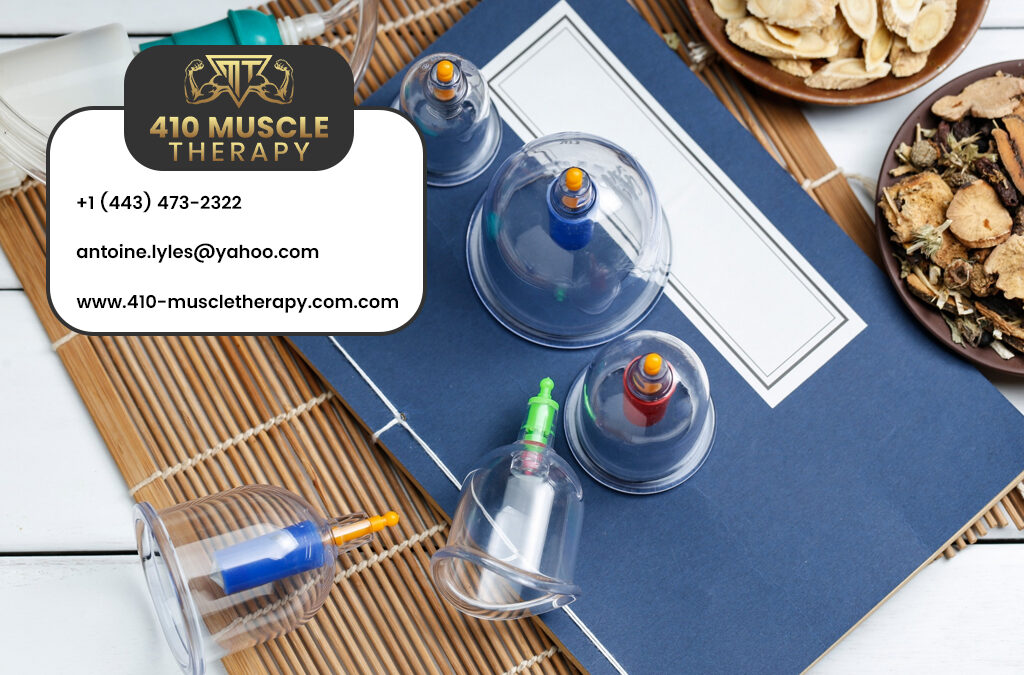
Cupping therapy is a treatment where special cups are placed on the skin to create suction. This suction gently pulls the skin and underlying tissue upward, which helps stimulate circulation and release tight muscles.
Unlike traditional massage techniques that push downward into muscles, cupping therapy works by lifting the tissue.
Professional sessions such as Cupping Therapy Maryland use controlled suction to safely treat areas experiencing tension or restricted movement.
This therapy has been used for centuries and is now widely used by athletes, therapists, and wellness professionals.
How Cupping Therapy Helps Muscle Pain
Muscle pain often occurs when muscles become tight or when circulation slows down in certain areas of the body.
Cupping therapy helps relieve muscle discomfort through several mechanisms.
Increasing Blood Circulation
The suction created by cupping increases blood flow to the treated area. Improved circulation helps deliver oxygen and nutrients to muscles that need repair.
Releasing Muscle Tension
When muscles remain tight, they restrict movement and cause discomfort. Cupping helps release these tight areas by lifting the tissue and allowing muscles to relax.
For deeper muscle tension, some individuals also benefit from treatments such as Deep Tissue Massage Maryland.
Faster Muscle Recovery After Physical Activity
Athletes frequently use cupping therapy to speed up recovery after training.
During intense exercise, muscles produce metabolic waste such as lactic acid. If this waste remains in the muscles, it can lead to soreness and fatigue.
Cupping therapy helps accelerate recovery by improving circulation and helping the body remove these waste products.
Athletes often combine cupping therapy with professional sessions from a Maryland Sports Massage Therapist to support full muscle recovery.
Reducing Muscle Tightness and Stiffness
Muscle tightness can limit flexibility and restrict movement. Cupping therapy helps loosen muscle fibers and reduce stiffness.
When the tissue is lifted by suction, muscles and fascia are able to move more freely.
Therapies such as Myofascial Release Maryland can further help release connective tissue restrictions when combined with cupping.
Improving Circulation for Better Recovery
Healthy circulation is essential for muscle recovery. Blood flow delivers nutrients needed for tissue repair while removing waste products that cause inflammation.
Cupping therapy encourages circulation by stimulating the blood vessels beneath the skin.
Some individuals also combine circulation-based treatments such as Infrared Therapy in Maryland to support deeper muscle recovery.
Supporting Flexibility and Mobility
When muscles and connective tissue are tight, joints may feel stiff and movement becomes restricted.
Cupping therapy helps restore mobility by releasing tension and improving tissue elasticity.
For individuals focusing on improving flexibility and movement, sessions such as Maryland Stretch Therapy can complement cupping therapy.
Cupping Therapy for Athletes
Athletes place constant stress on their muscles during training and competition. Cupping therapy is commonly used in sports recovery routines to maintain healthy muscle function.
Benefits for athletes include:
- Faster muscle recovery
- Reduced soreness
- Improved circulation
- Greater flexibility
- Reduced injury risk
Many professional athletes include cupping therapy in their recovery programs alongside massage therapy and stretching.
Stress Relief and Relaxation
Muscle tension is often linked to stress. When stress builds up, muscles tighten as part of the body’s natural response.
Cupping therapy helps relax muscles and calm the nervous system, which may reduce physical tension.
Relaxation-focused treatments like Hot Stone Massage Maryland are also popular for stress relief.
Some clients also enjoy combining therapies such as Hot Towel Massage Maryland for enhanced relaxation.
Cupping Therapy vs Traditional Massage
Both cupping therapy and massage therapy help relieve muscle tension, but they work in different ways.
Massage Therapy
- Uses pressure and kneading
- Pushes into muscle tissue
- Releases knots through compression
Cupping Therapy
- Uses suction instead of pressure
- Lifts tissue upward
- Improves circulation and fascia mobility
Many clients benefit from combining both therapies to achieve better recovery results.
Improving Posture and Movement
Poor posture can create muscle imbalances that lead to discomfort and stiffness.
Cupping therapy helps release tight areas that contribute to posture problems.
Correcting movement patterns through sessions such as Corrective Movement Maryland can further improve long-term mobility.
What to Expect During a Cupping Therapy Session
A session at 410 Muscle Therapy typically includes several steps.
Consultation
Your therapist will discuss muscle tension areas and recovery goals.
Cup Placement
Special cups are placed on targeted muscle areas.
Suction Activation
The therapist creates gentle suction that lifts the tissue.
Treatment Duration
Cups remain in place for several minutes while circulation increases.
Some sessions may include movement-based cupping or massage techniques.
Is Cupping Therapy Safe?
Cupping therapy is generally safe when performed by trained professionals.
After treatment, circular marks may appear on the skin. These marks are not bruises but signs that circulation has increased in the treated area.
They typically fade within a few days.
How Often Should You Get Cupping Therapy?
The frequency of cupping therapy depends on individual recovery needs.
Athletes
Weekly or biweekly sessions may help maintain muscle recovery.
Active Individuals
Sessions every two to three weeks can help reduce tension buildup.
Maintenance
Monthly sessions may help maintain muscle health.
Consistency helps prevent muscle tightness and improve circulation.
Why Clients Choose 410 Muscle Therapy
At 410 Muscle Therapy, treatments are designed to address each client’s individual recovery needs.
Therapists evaluate muscle tension, movement patterns, and physical goals before recommending therapy options.
Clients appreciate the clinic’s focus on:
- Personalized therapy sessions
- Professional recovery techniques
- Comfortable treatment environments
- Long-term wellness support
The goal is to help clients recover faster, move better, and reduce physical discomfort.
Final Thoughts
Cupping therapy offers a powerful and natural approach to reducing muscle pain and supporting recovery. By improving circulation, releasing tight tissue, and promoting relaxation, cupping therapy can help restore comfort and mobility.
Whether you are an athlete, fitness enthusiast, or someone dealing with everyday muscle tension, cupping therapy can provide meaningful benefits.
When combined with professional treatments offered at 410 Muscle Therapy, cupping therapy can become an important part of a healthy recovery routine.
Timonium, Maryland