Flexibility plays a much bigger role in overall health than most people realize. Tight muscles, limited range of motion, and restricted joints don’t just affect workouts; they influence posture, movement quality, injury risk, and even how the body feels during daily activities. Over time, lack of flexibility can lead to chronic pain, stiffness, and reduced mobility.
Stretch therapy is a guided, hands-on approach designed to improve flexibility safely and effectively. Unlike self-stretching routines, stretch therapy is performed with the assistance of a trained professional who helps move muscles and joints through controlled ranges of motion. This allows deeper stretching, better alignment, and longer-lasting results.
Many individuals seeking mobility improvement and muscle relief choose stretch therapy in Maryland as part of a balanced wellness and recovery routine.
This guide explains what stretch therapy is, how it works, and why flexibility is essential for long-term movement health.
Understanding Stretch Therapy
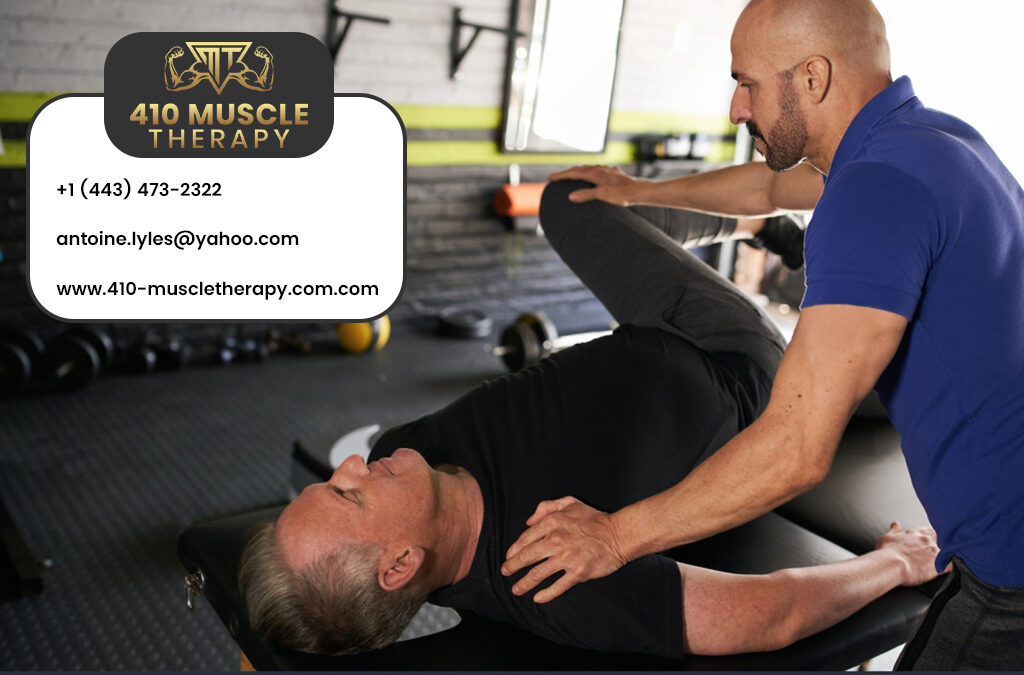
Stretch therapy is a form of assisted stretching where a trained therapist helps lengthen muscles and improve joint mobility using controlled movements. The therapist applies gentle pressure and guidance, allowing muscles to relax and stretch more effectively than they often can on their own.
Unlike casual stretching, stretch therapy:
- Targets specific muscle groups
- Improves joint range of motion
- Reduces muscle stiffness
- Supports posture and alignment
Stretch therapy is commonly used by athletes, desk workers, and individuals experiencing chronic tightness or reduced mobility.
Many people integrate stretch therapy with services offered at 410 Muscle Therapy – Professional Massage & Recovery Services for comprehensive body care.
Why Flexibility Matters for the Body
Flexibility allows muscles and joints to move freely through their full range of motion. When flexibility is limited, the body compensates by placing extra stress on other areas.
Poor flexibility can lead to:
- Muscle strains
- Joint pain
- Poor posture
- Reduced performance
- Increased injury risk
Maintaining flexibility helps the body move efficiently, reduces tension, and supports overall comfort.
How Stretch Therapy Works
Stretch therapy works by guiding muscles and joints through controlled movements while encouraging relaxation. When a muscle relaxes, it can lengthen safely and effectively.
Muscle Relaxation
Assisted stretching allows muscles to release guarding responses that often limit self-stretching.
Joint Mobility
Stretch therapy improves how joints move by addressing surrounding muscle tightness and connective tissue restrictions.
Nervous System Response
Slow, controlled stretching helps calm the nervous system, allowing deeper flexibility gains without forcing movement.
This approach makes stretch therapy especially effective for people who feel “stuck” or tight despite regular stretching.
Stretch Therapy vs Self-Stretching
While self-stretching is helpful, it has limitations. Many people lack the body awareness or mobility needed to stretch effectively on their own.
Stretch therapy offers:
- Professional guidance
- Proper alignment
- Deeper, safer stretches
- Reduced injury risk
For individuals with significant tightness, stretch therapy often produces better results than stretching alone.
Who Benefits Most from Stretch Therapy?
Stretch therapy is beneficial for a wide range of individuals, including:
Desk Workers
Long hours of sitting can lead to tight hips, hamstrings, shoulders, and neck muscles. Stretch therapy helps restore balance and improve posture.
Athletes and Active Individuals
Repetitive training can shorten muscles over time. Many athletes combine stretch therapy with sports massage therapy in Maryland to maintain flexibility and prevent injuries.
People with Chronic Muscle Tightness
Persistent tightness often limits mobility and causes discomfort. Stretch therapy helps release tension gradually and safely.
Individuals Recovering from Injury
After injury, muscles may tighten to protect the area. Stretch therapy helps restore normal movement patterns.
How Stretch Therapy Supports Pain Relief
Tight muscles place stress on joints and surrounding tissues. Stretch therapy helps reduce pain by:
- Decreasing muscle tension
- Improving circulation
- Restoring normal movement
Stretch therapy is often combined with hands-on treatments such as deep tissue massage therapy in Maryland for more complete relief.
Stretch Therapy and Posture Improvement
Poor posture is frequently caused by muscle imbalances. Tight chest muscles and weak upper-back muscles, for example, can lead to rounded shoulders.
Stretch therapy helps improve posture by:
- Lengthening shortened muscles
- Supporting balanced movement
- Reducing strain on the spine
For posture-related issues, stretch therapy pairs well with corrective movement therapy in Maryland.
What Happens During a Stretch Therapy Session
Initial Assessment
The therapist evaluates flexibility, posture, and movement limitations to determine which areas need attention.
Assisted Stretching
The therapist guides muscles through controlled stretches while monitoring comfort and range of motion.
Progressive Improvement
As flexibility improves, stretches may be adjusted to reinforce mobility and functional movement.
Stretch therapy sessions are typically relaxing and focused on long-term improvement rather than intensity.
Stretch Therapy and Fascia Health
Fascia plays a major role in flexibility. Restricted fascia can limit muscle length and movement.
Stretch therapy helps fascia by:
- Improving tissue hydration
- Restoring natural glide
- Reducing stiffness
This makes stretch therapy a useful complement to myofascial release therapy in Maryland.
How Often Should You Do Stretch Therapy?
Frequency depends on individual needs:
- Chronic tightness: weekly sessions initially
- Maintenance and mobility: bi-weekly or monthly
- Athletes: based on training demands
A trained professional can recommend a schedule that supports your goals.
Supporting Flexibility Outside Stretch Therapy
Stretch therapy works best when combined with:
- Regular movement
- Proper hydration
- Mindful posture
- Consistent activity
Stretch therapy helps maintain mobility gained through massage and movement therapies.
Choosing a Professional Stretch Therapy Provider
Assisted stretching should always be performed by trained professionals who understand anatomy and safe movement techniques.
To explore services, reviews, and local updates, visit:
410 Muscle Therapy on Google – Reviews & Updates
Final Thoughts: Why Flexibility Truly Matters
Flexibility is not just about touching your toes — it’s about how well your body moves, adapts, and stays pain-free. Stretch therapy provides a guided, effective way to improve flexibility, reduce stiffness, and support long-term mobility.
When incorporated into a consistent wellness routine, stretch therapy helps the body move better, feel lighter, and function more comfortably over time.
GMB: https://g.page/r/CV650AL5oNCsEBM/
Location: Timonium, Maryland