Muscle tightness, inflammation, and chronic pain often develop gradually due to repetitive movement, poor circulation, stress, or old injuries. While stretching and massage help many people, some forms of deep-seated tension do not respond fully to traditional hands-on techniques alone. This is where cupping therapy has gained attention as an effective complementary treatment.
Cupping therapy is a time-tested technique used to improve circulation, reduce muscle tension, and support the body’s natural healing processes. By creating controlled suction on the skin, cupping therapy works differently from massage and provides unique benefits for muscles, fascia, and connective tissue.
Many individuals exploring advanced recovery options choose cupping therapy in Maryland as part of a comprehensive pain-relief and wellness routine.
This guide explains what cupping therapy is, how it works, what happens during a session, and why it plays an important role in muscle recovery and overall body health.
Understanding Cupping Therapy
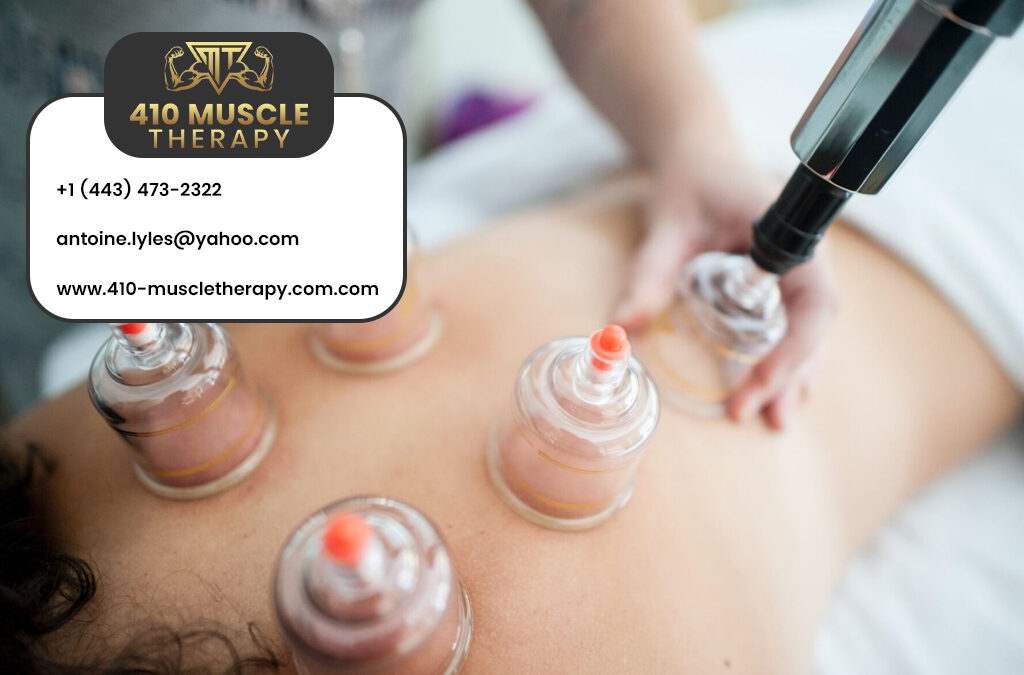
Cupping therapy is a therapeutic technique that involves placing specially designed cups on the skin to create suction. This suction gently lifts the skin and underlying tissue, encouraging blood flow and tissue decompression rather than compression.
Unlike massage, which pushes down into muscles, cupping therapy pulls tissue upward. This opposite approach allows deeper layers of muscle and fascia to release without excessive pressure.
Cupping therapy has been used for centuries in various cultures and is now commonly integrated into modern wellness and recovery programs.
Many clients incorporate cupping therapy alongside services offered by 410 Muscle Therapy – Professional Massage & Recovery Services to address persistent muscle tension and circulation issues.
How Cupping Therapy Works
Cupping therapy works by creating negative pressure (suction) on targeted areas of the body. This suction produces several beneficial physiological effects.
Improved Blood Circulation
The suction draws blood toward the surface, increasing circulation to tight or inflamed areas. Improved blood flow helps deliver oxygen and nutrients to tissue while assisting with waste removal.
Tissue Decompression
Instead of compressing muscle fibers, cupping therapy lifts and separates tissue layers. This decompression allows muscles and fascia to move more freely.
Fascia Release
Fascia can become stiff and restricted over time. Cupping therapy helps loosen fascial adhesions, improving mobility and reducing pain. This makes it a useful complement to myofascial release therapy in Maryland.
Types of Cupping Therapy
Static Cupping
Cups are placed on the skin and left in one position for several minutes. This method is commonly used to increase circulation and release tight muscle areas.
Moving Cupping
Oil is applied to the skin, and cups are gently moved along muscle groups. This technique combines suction with movement, helping release widespread tension.
Dry Cupping
Dry cupping uses suction only, without puncturing the skin. This is the most common method used in modern therapeutic settings.
Each technique is selected based on individual needs and comfort levels.
What Happens During a Cupping Therapy Session
Initial Assessment
A session begins with a brief consultation to identify areas of pain, tightness, or limited mobility. The therapist determines which muscles or regions will benefit most from cupping.
Cup Placement
Cups are placed on targeted areas such as:
- Back
- Shoulders
- Hips
- Legs
Suction is applied gradually to ensure comfort and effectiveness.
Duration
Cups typically remain in place for several minutes. During this time, circulation increases and tissues begin to relax.
Cupping therapy may be combined with hands-on techniques such as deep tissue massage therapy in Maryland to enhance overall results.
Sensations During and After Cupping Therapy
During cupping therapy, clients may feel:
- A pulling or stretching sensation
- Warmth in the treated area
- Gradual muscle relaxation
After the session, it is common to notice:
- Reduced muscle tightness
- Improved range of motion
- Temporary circular marks on the skin
These marks are not bruises and typically fade within several days.
How Cupping Therapy Helps Reduce Pain
Cupping therapy helps reduce pain by:
- Improving circulation to affected areas
- Releasing muscle and fascial restrictions
- Reducing inflammation
- Decreasing pressure on sensitive nerves
This makes cupping therapy useful for individuals dealing with chronic muscle discomfort or post-activity soreness.
Athletes often combine cupping therapy with sports massage therapy for athletic recovery to maintain muscle health and performance.
Conditions Commonly Addressed with Cupping Therapy
Cupping therapy is commonly used to support individuals experiencing:
- Muscle tightness and stiffness
- Back and shoulder pain
- Neck tension
- Sports-related muscle soreness
- Chronic inflammation
- Limited mobility
Because cupping therapy works on both muscle and fascia, it often improves movement beyond the initial treatment area.
Cupping Therapy vs Traditional Massage
Traditional massage uses compression to relax muscles, while cupping therapy uses suction to lift tissue.
Cupping therapy:
- Decompresses muscle tissue
- Targets deeper fascial layers
- Improves circulation differently than massage
Many individuals alternate cupping therapy with techniques such as Russian massage therapy for muscle recovery depending on their recovery needs.
Cupping Therapy and Fascia Health
Fascia plays a critical role in movement and pain perception. Restricted fascia can limit mobility and cause discomfort.
Cupping therapy improves fascia health by:
- Increasing hydration within connective tissue
- Breaking down adhesions
- Restoring natural tissue glide
This makes it an effective addition to long-term mobility and pain-management strategies.
Is Cupping Therapy Safe?
When performed by trained professionals, cupping therapy is safe and well-tolerated. Therapists adjust suction levels based on individual sensitivity and treatment goals.
Individuals with certain medical conditions should consult a healthcare provider before starting cupping therapy.
How Often Should You Get Cupping Therapy?
Frequency depends on individual needs:
- Acute muscle tightness: weekly sessions initially
- Chronic tension: bi-weekly or monthly maintenance
- Athletic recovery: based on training intensity
A licensed therapist can recommend a schedule tailored to your body and goals.
Supporting Recovery Beyond Cupping Therapy
Cupping therapy works best when combined with healthy habits such as:
- Regular movement
- Stretching and mobility work
- Hydration
- Adequate rest
Many individuals enhance results by adding professional stretch therapy sessions to maintain flexibility and joint health.
Choosing a Professional Cupping Therapy Provider
Cupping therapy requires proper training and anatomical knowledge. Working with licensed professionals ensures safety and effective results.
To explore services, reviews, and local updates, visit:
410 Muscle Therapy on Google – Reviews & Updates
Final Thoughts: Why Cupping Therapy Matters
Cupping therapy offers a unique approach to pain relief and muscle recovery by improving circulation, releasing fascial restrictions, and reducing inflammation. By addressing tissue health at a deeper level, it supports long-term mobility and comfort.
When integrated into a consistent wellness routine, cupping therapy can help individuals move more freely, recover faster, and maintain healthier muscles and joints.