In This Blog, We Will Learn
- What infrared light therapy means
- How red and infrared light differ
- How light may affect cells
- What happens during a session
- Which safety questions clients should ask
A client may see glowing red lights and wonder how infrared light therapy works. The answer is simple at first, but the details matter. Wavelength, power, time, distance, and the treatment goal all change the experience.
At 410 Muscle Therapy, infrared therapy is more than placing a light near the body. In this guide, we explain how infrared light interacts with the body and what clients should expect.
Quick Answer: How Does Infrared Light Therapy Work?
A device sends controlled red or near-infrared light toward a treatment area. Some of the light reaches the skin and nearby tissue. Cells may absorb part of it. Research suggests this light may influence cell signals and energy-related activity. The result depends on wavelength, light strength, treatment time, distance, the device, and the person.
Light Is the Treatment, Not Strong Heat
Photobiomodulation uses controlled light. Some devices may feel warm, but the goal is not to heat tissue like an infrared sauna.
Infrared Light Therapy Explained
Infrared light sits next to visible red light on the light spectrum. People can see red light, but they usually cannot see near-infrared light.
Both may be used in photobiomodulation devices. That means the treatment uses light to affect biological activity, not mainly to create heat. Some infrared devices are designed to heat tissue, but that is a different type of therapy.
How Does Red Light Therapy Work?
Red light usually works closer to the skin’s surface than some near-infrared wavelengths. But the exact depth depends on wavelength, skin, tissue type, device power, and treatment distance.
That is why how does red light therapy work is not a one-answer question. The setting matters just as much as the color of the light.
How Near-Infrared Light Is Different
Near-infrared light has a longer wavelength than visible red light. It may reach deeper tissue than some red light, but much of it can still scatter or be absorbed before it goes far.
Deeper does not always mean better. The treatment goal should guide the device and the setting.
The Light-to-Cell Path
The first stage starts with the device
It creates a controlled wavelength of light. Wavelength means the type of light used.
The second stage is skin contact.
Light reaches the treatment area through the skin and nearby tissue. Distance, angle, and device settings all matter here.
The third stage is cell response.
Cells may absorb part of the light. Some cells contain parts that react to certain wavelengths.
The fourth stage is signaling.
Research suggests light may affect cell signals linked with energy-related activity. This is one reason people ask how infrared light therapy works at the cellular level.
The fifth stage is the body’s response.
That response depends on dose, tissue, health status, and the treatment goal.
Mitochondria and Energy
Mitochondria help cells make energy. Research often studies how red and near-infrared light interact with mitochondrial activity.
That may affect energy-related signals inside cells. But light does not “charge” cells like a battery. The exact response depends on the device and dose.
Treatment Settings Matter
Infrared light wavelength therapy depends on a few key settings. Wavelength tells us the type of light. Light strength tells us how much light reaches the area. Treatment time tells us how long the light stays on the area.
Distance matters too. The farther the device sits from the body, the less light may reach the target. Dose means the full amount of light delivered during the session. More light is not always better.
LED Devices Versus Low-Level Lasers
LEDs and low-level lasers may both be used for photobiomodulation. LEDs can cover a wider area. Lasers can focus light more tightly.
That does not make one type always better. Device design, treatment goal, and dose matter more than the label alone.
|
Device Type |
Simple Idea |
Common Use Style |
|
LED |
Spreads light over a wider area |
Broad surface treatment |
|
Low-level laser |
Focuses light more tightly |
Smaller treatment area |
What a Session May Feel Like
An infrared therapy treatment usually starts with a provider review. The provider may ask about goals, health history, and medicines. Then the provider chooses the treatment area and device setting.
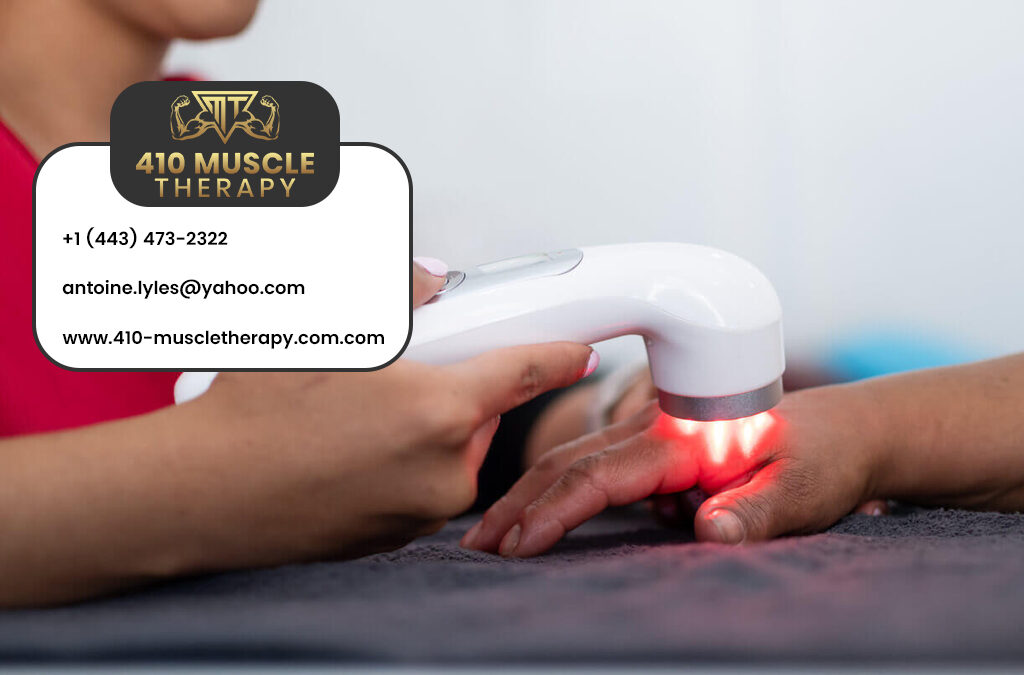
The client may see a bright red glow. Some devices also feel mildly warm. Eye protection may be needed in some sessions. The exact experience depends on the device and plan.
What Infrared Light Therapy Is Studied For
Researchers have studied photobiomodulation for temporary pain support, muscle soreness, exercise recovery, wound care, some skin concerns, and certain medical or dental uses.
Evidence depends on the condition, device, dose, and study quality. That means one study does not prove every use works the same way.
“Did You Know?
Researchers continue to study how red and near-infrared light affect cells. Mitochondria and cell signaling are important areas of study, but they are not the only explanations.”
What Infrared Therapy Cannot Promise
Infrared therapy cannot promise a cure, instant pain removal, permanent relief, or complete healing. It also cannot replace medical treatment.
Results may vary from person to person. One session may not tell the whole story.
How Infrared Therapy May Fit With Massage
Massage and infrared light use different methods. Massage uses hands-on pressure and movement. Infrared therapy uses controlled light.
Some clients use both as part of a broader wellness plan. People comparing infrared therapy with massage therapy in Timonium Maryland should ask how each service works and what each session feels like.
“Did You Know?
Infrared therapy is not the same as infrared heat. Photobiomodulation uses controlled light, while some infrared devices are meant to warm tissue.”
People exploring infrared therapy Maryland services should ask which device is used, what the session includes, and which results are realistic.
Who Should Ask a Healthcare Professional First?
Some people should speak with a qualified healthcare professional before treatment. That includes people who are pregnant, have cancer, take light-sensitive medicine, have an active skin condition, have eye disease, have reduced feeling in the area, have an implanted medical device, or are receiving medical treatment.
The right advice depends on the person, the device, and the treatment area.
Infrared Therapy Safety
Safety depends on correct device use, proper settings, treatment distance, session length, skin response, eye protection, health history, medicines, and provider training.
Stop the session and speak with the provider if you notice pain, burning, strong redness, dizziness, or another unexpected reaction. Side effects can happen.
“Did You Know?
FDA clearance applies to a specific device and a specific intended use. It does not apply to every device, and it does not prove every advertised benefit.”
Questions to Ask Before a Session
These are some of the questions that you must ask your massage therapist before getting an infrared massage session:
- Which device will you use?
- Does it use red light, near-infrared light, or both?
- What is the goal of the session?
- How long will it last?
- Will I need eye protection?
- What should it feel like?
- Do my medicines affect light sensitivity?
- How many sessions may be discussed?
- What evidence supports this use?
- Which results can you not promise?
Common Infrared Therapy Myths
- More light always works better. That is not true. Dose matters, and too much light may not help.
- Infrared light is the same as an infrared sauna. That is also not true. Sauna heat and photobiomodulation are different.
- Every red light device works the same way. Not true. Wavelength, strength, distance, and design all vary.
- One session should fix the problem. Not usually. Response and plans vary.
- FDA clearance proves every benefit. No. It applies to a specific device and intended use.
Choosing a Provider
A good provider should explain the device, review basic health information, set realistic expectations, follow device instructions, discuss eye safety, answer questions, avoid cure claims, keep the area clean, explain costs, and document the plan.
For people comparing infrared therapy Maryland options, a clear explanation matters more than big promises.
Conclusion
Infrared light therapy works by sending controlled red or near-infrared light to a treatment area. Some of the light reaches the skin and nearby tissue. Cells may absorb part of it and respond through cell signals and energy-related activity. Wavelength, dose, device, treatment time, and individual needs all matter. At 410 Muscle Therapy, the goal is to explain the process clearly so clients can make informed choices.
Explore Infrared Therapy With Clear Guidance
410 Muscle Therapy can discuss the treatment process, explain what clients may feel, and help them decide whether infrared therapy fits their wellness plan. You can also check out our Google Business Profile for more details and information related to our services and location.
Key Takeaways
- Infrared therapy uses controlled red or near-infrared light.
- Wavelength, dose, time, and device settings affect treatment.
- Results vary by person, treatment goal, and available evidence.
Frequently Asked Questions
How does infrared light therapy work?
A device sends red or near-infrared light toward the body. Cells may absorb part of the light, which may affect cell signaling and energy activity.
Is infrared light therapy the same as red light therapy?
Not exactly. Red light is visible, while near-infrared light is usually invisible. Both may be used in photobiomodulation.
Does infrared light therapy create heat?
Some warmth can happen, but heat is not the main goal of photobiomodulation. Some other infrared devices are designed to heat tissue.
How long does an infrared therapy session take?
Session time depends on the device, the treatment area, and the goal. A provider should explain the plan before treatment starts.
Is infrared light therapy safe for everyone?
No single therapy is safe for everyone. People with pregnancy, cancer, light-sensitive medicines, eye disease, or other concerns should ask a healthcare professional first.